I've googled ‘can chickens eat [insert food item here]' so many times since I started keeping chickens that I thought I'd just start recording all the answers in one place to make a quick reference list.

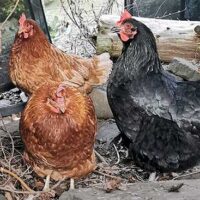
I keep chickens in a suburban garden in my fantastic eglu go up coop and I'm always looking for ways to reduce my feed bill and become more self sufficient.
I try to keep my chickens in optimum health through diet and good living, rather than pills and injections, so stay as far away from medical intervention as possible.
Part of that process is learning what my chickens can eat that is beneficial to them as laying hens (ie. hens kept primarily for their eggs).
I've spent quite some time looking into this and I've managed to pull a lot of information from old chicken keeping books that I've been collecting over the years.
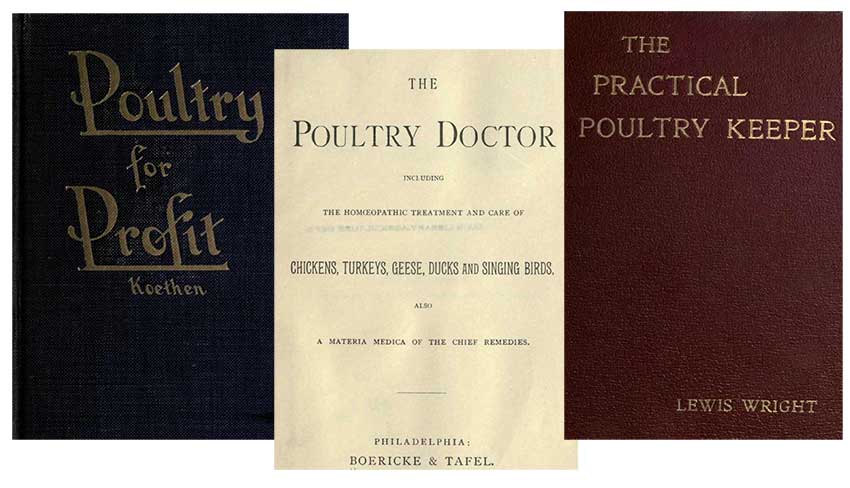
I've added pdfs of several of these out of print but full of wisdom books (along with hundreds of others about all kinds of survival and self sufficiency topics) to my survival USB but you can also get an instant digital download if you're interested.
What Are The Main Components of A Healthy Chicken Diet For Laying Hens
What I've learned is that the main components of a chicken diet for a healthy laying hen should consist of:
- Protein: Protein is crucial for egg production. Laying hens require a higher level of protein (compared to chickens raised for meat) to support egg formation.
- Calcium: Calcium is essential for strong eggshells. Layer hens need a significant amount of calcium in their diet. You can provide crushed oyster shells or limestone as a calcium supplement free-choice, allowing hens to consume it as needed.
- Phosphorus: Phosphorus is necessary for calcium utilization. A balanced calcium-to-phosphorus ratio (usually around 2:1 to 4:1) is essential for proper eggshell formation and overall health.
- Vitamins: Laying hens require various vitamins, including Vitamin A, D, E, K, B-complex vitamins (like B2, B3, B5, B6, B12), and biotin. Commercial layer feeds are usually fortified with these vitamins, but ensuring access to fresh greens and occasional fruits can also provide additional vitamins.
- Minerals: Besides calcium and phosphorus, hens need minerals like potassium, magnesium, sodium, selenium, and zinc in their diet. A balanced layer feed should contain these minerals, but providing access to clean water is also crucial.
- Fiber: While not a primary component, a bit of fiber from sources like leafy greens and vegetables can help with digestion and overall health.
- Water: Clean, fresh water is vital for all aspects of chicken health, including egg production. Ensure hens have continuous access to clean water.
- Treats and Supplements: While the primary diet should be a commercial layer feed, you can offer occasional treats like vegetables, fruits, mealworms, and other protein-rich snacks. However, treats should make up only a small portion of their diet to avoid imbalances.
The remainder of this reference guide contains a list of those treats and supplements that make up the small portion of their diet outside of their primary laying feed.
Can chickens eat apples?

Yes, chickens can eat apples. Apples are perfectly safe for chickens to eat either with or without the skin. I even leave the pips (seeds) in because a very small dosage of the chemicals found in the seed can be beneficial in killing off harmful free radicals.
Apples are not only a wholesome treat but also a nutritious one. They offer essential vitamins like A and C, along with a healthy dose of dietary fiber.
The caveat, of course, is to not give them too many apples. Moderation is the key to most things in life and it's no different for your chickens.
Can chickens eat bananas?

The answer is a resounding YES, chickens can indeed eat bananas! Besides the pure joy it brings to see your chickens pecking away happily at another treat, bananas offer some nutritional perks too.
They're packed with vitamins like B6, C, and folate, along with essential minerals like potassium.
As always, remember bananas should be an occasional treat, not a daily item.
Can chickens eat blueberries?

Yes, chickens can eat blueberries. Blueberries are full of beneficial nutrients for chickens including vitamin c and protein.
Protein is an essential nutrient for chickens because it helps muscle development, feather growth, and overall health. It's particularly important for young, growing chickens and those laying eggs.
Just like any food high in natural sugars, you should only feed chickens blueberries as an occasional treat or in moderation.
Can chickens eat whole corn?

Yes, chickens can eat whole corn. They love it in fact. They can eat all types of corn: whole, raw, split, dried, mashed, ground and on the cob. There are some caveats though…
Whole corn is perfectly safe for chickens to eat and if you throw them a cob you'll see just how much they like it.
They are able to digest it without any trouble but, like all things in life, corn is best served in moderation.
I have a book here, published in 1915, called Poultry for Profit and written by Jean A. Koethen, and in it she states:
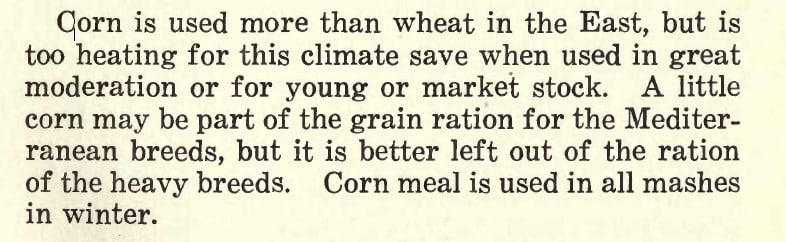
The thinking being that corn is too ‘hot' a food for the hot climate of California where Koethen was living but was used in winter as a ‘warmer'.
This is also true of the old poultry feed recipes of England, where corn was only fed before bed in the winter months.
Can chickens eat oranges?

The short answer is yes, they can! Chickens are known for their eclectic tastes, and oranges fall within their culinary repertoire.
Oranges, along with other fruits, can be a nutritious treat for your feathered companions. They provide vitamins, especially vitamin C, and some essential minerals.
Plus, the juicy, sweet goodness can give them a little boost on a hot day.
But, and there's always a “but,” isn't there? Oranges are a treat, not a staple in a chicken's diet.
Much like you wouldn't want to live on pizza alone (tempting as that may sound), chickens need a balanced diet primarily consisting of chicken feed. Oranges should be an occasional snack, not the main course.
Can chickens eat grapes?

Yes, chickens can eat grapes. One or two grapes as a treat is perfectly safe for your chickens to chow down on. But there are caveats; aren't there always?
Grapes are high in natural sugars and vitamins but, just like humans, too much of a good thing is a bad thing!
Give your chickens grapes as a treat only and, of course, be wary of any pesticides, herbicides and other toxins that may have been sprayed on your grapes.
Always wash them before eating them (and feeding them to your animals).
Can chickens eat strawberry tops?

Chickens can eat strawberry tops but only in moderation. Strawberry tops with their leaves contain a trace of hydrogen cyanide and when ingested by chickens, can cause diarrhoea. Therefore, don't give your chickens too much of these.
In small doses they are perfectly safe – as attested to by my own chickens who happily peck their way through my strawberry patch year after year and are still fine now 3 years in.
Can chickens eat tomatoes?

Yes, chickens can eat tomatoes as long as they are ripe, red tomatoes. Tomatoes that are unripe contain the chemical solanine which can affect your chicken's nervous system and lead to GI tract complications, respiratory distress and loss of motor function.
I have to say though, in the 3 years I've been keeping my chickens and letting them free range around my garden, they've never willingly chosen to eat tomato leaves or unripe tomatoes.
Nature is pretty smart like that.
Can chickens eat pineapple?

Yes, chickens can eat pineapple safely as long as it is in moderation. Pineapple contains lots of beneficial nutrients like vitamins A, C and E.
However, pineapple is also a very high sugar fruit so it must be fed to chickens in moderation; ie. occassionally and perhaps not like the guy did in the video above!
Can chickens eat cucumber?

Yes, chickens can eat cucumber. All parts of the cucumber, including skin, seeds and flesh are safe for your chickens to eat.
Not only are they safe to eat, they are also full of essential nutrients including vitamins A, C and B6, making them an excellent supplement to keep your chickens healthy.
Because cucumbers are made up of 96% water, an occasional cucumber treat is beneficial to your chickens on a hot day, quickly rehydrating them.
Conversely, too much cucumber can upset the balance of your chicken's digestive system and give them an upset stomach so, as always, keep everything in moderation.
Can chickens eat watermelon?

Yes, chickens can eat watermelon. All parts of the watermelon are completely safe for chickens to eat; including the rind and seed. Just make sure that you've thoroughly washed the rind before you give it to your chickens to ensure that any pesticides are well and truly washed off.
Watermelon is a delicious summertime treat for your chickens that can help with hydration on hot days. Watermelon also includes vitamins C and A but it is really the electrolytes and water content that will benefit your chickens most.
Watermelon is made up of 92% water so be cautious your chickens don't overeat, otherwise they may have an upset digestive system that could lead to runny droppings.
Like most things in life, moderation is key. Don't let your chickens over-indulge and they will be absolutely fine.
And you'll enjoy watching them peck away at it on a hot sunny day.
Can chickens eat onion?

Yes, chickens can eat onions but only in very small doses – no more than 0.5% of their total body weight once or twice a week. This is no different to how much onion humans can eat really…too much of anything is always a bad thing.
The most beneficial nutrients in onions for chickens are phosphorous and potassium.