
It’s hard to imagine how your ancestors could ever stay warm without electricity but the truth is; they managed just fine and you yourself are the best kind of living proof. This is how they did it.

In our modern world, central heating becomes king during the colder winter months as most of us unthinkingly race to dial our thermostats up. The vast majority of people are so reliant on central heating that it's hard to even begin to imagine how our ancestors got through winter without it. But they did.
With the cost of living rising and energy prices soaring, learning how to stay warm during winter without electricity just like your ancestors did will lower your monthly outgoings while at the same time helping you become more independent from the state and take back some control.
For other ways to generate your own power independent of the state, be sure to bookmark our energy self sufficiency knowledge and come back later to get some ideas.
In this article though, we'll take a look at some of the tried and tested ways your ancestors stayed warm (without electricity) and kept themselves cosy during the freezing winters.

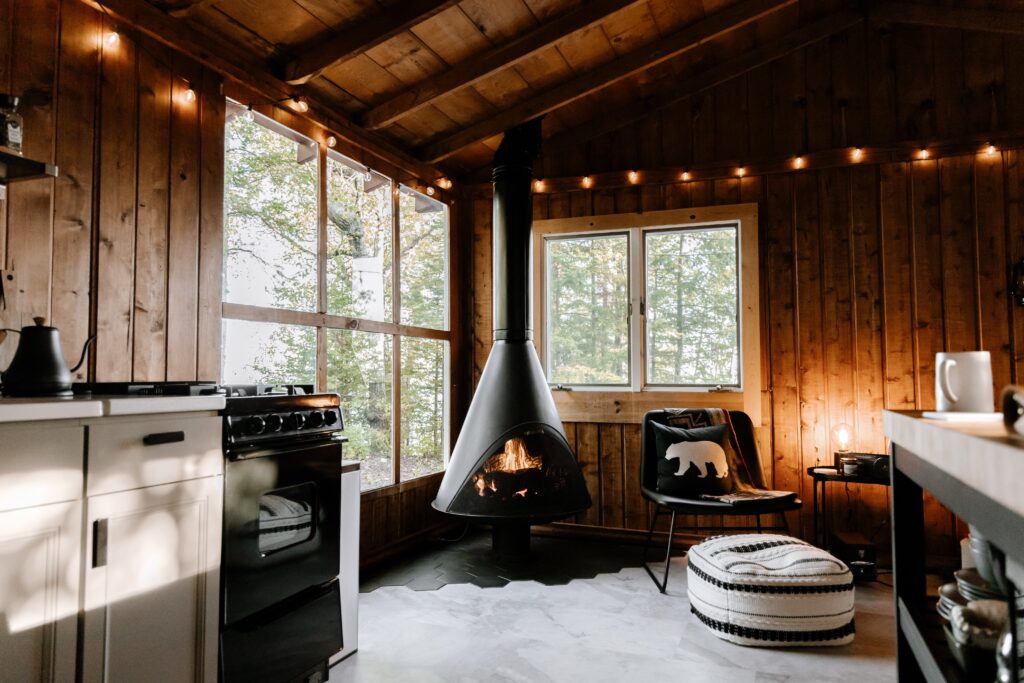
Fireplaces: Why They Shouldn’t Be Your Only Backup
Nowadays, we take pretty much all of our everyday conveniences for granted.
When temperatures start to fall it can place our very lives on the line. But conventional heating didn't always exist! So, how exactly did our ancestors survive before gas and electric heating? And how have we become so dependent on energy companies to feel warm and comfortable during the long winter months?
Many homesteaders built and continue to build fireplaces in their main living areas. And in most cases, this is a reliable way to solve temperature fluctuations. In fact, throughout history, wood has always been considered the most popular form of heating fuel.
Nevertheless, there are various pros and cons to using wood as a fuel source in a modern-day home.
The main benefit is that it's a renewable source, just so long as everyone is being considerate and only taking what they might need, while at the same time guaranteeing that new trees are being planted where old ones had once resided.
The main negative (not considering the cost) is the commonly-held belief that wood stoves or fireplaces tend to only heat the surrounding areas. We dive into whether or not a single stove can heat an entire house over here.
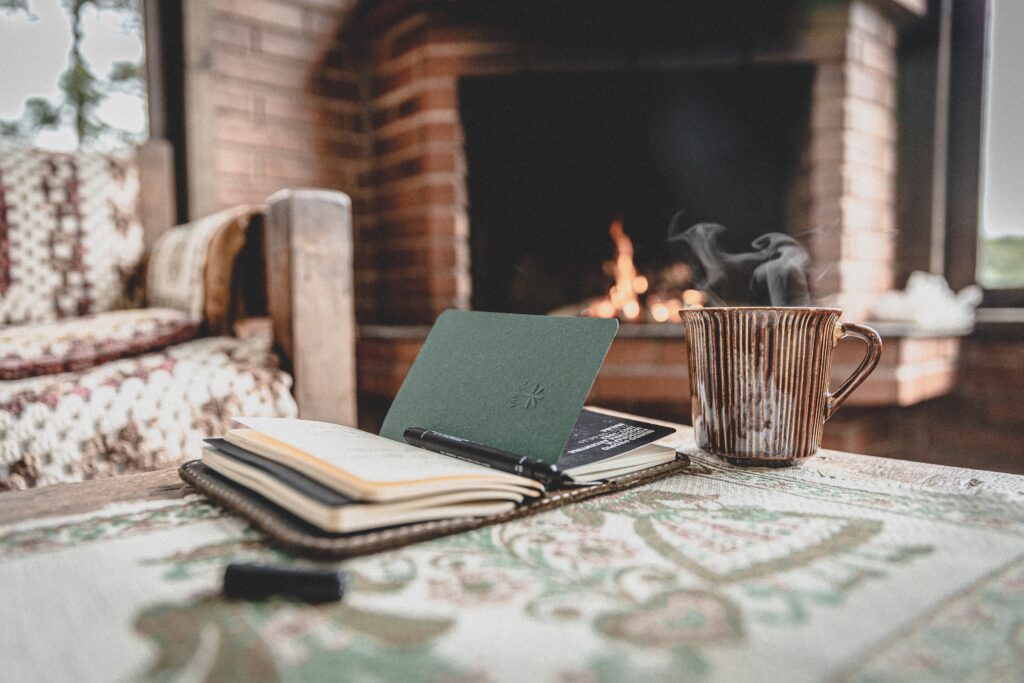
No doubt, wood-burning stoves and fireplaces look great and deliver a romanticised ambience and plenty of warmth yet modern-day homes are not designed to distribute heat from an open fire around a home efficiently. It's for this reason that our ancestor's houses were smaller and more modest. Placing fireplaces in every room in a house was and still is expensive, thus they would design a moderate living space around a wood-burning stove or fireplace. Simplicity and cost-effectiveness were key.
So, before you rush to install your own log burning fire, make sure you heed the advice of your ancestors and help keep yourself warm in winter without electricity with these 6 more cost-effective methods before you commit to retro fitting your home with a log burner.
6 Tried & Tested Ways Your Ancestors Would Teach You To Stay Warm Without Electricity
Here are some of the most popular practices that our ancestors used to keep not only themselves but their entire families warm during winter without electricity:
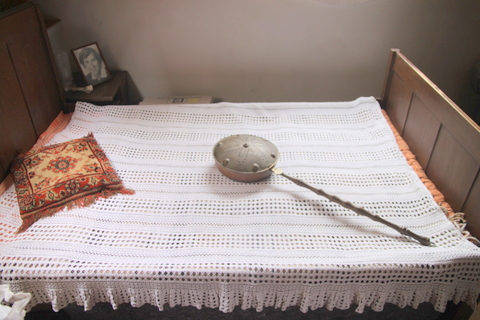
An old bedwarmer on a bed.
1. Bed warmers
Nowadays, a normal bedtime routine includes showering, brushing your teeth, and getting snug under the covers. Yet, in the not too distant past, people had to warm up their beds beforehand. To do this, they would use a bed warmer.
Popular during the 17th to 19th centuries, bed warmers were brass or copper pans attached to long handles that could be filled up with hot rocks. The lid of the pan had holes to help release the heat produced by the baked rocks. So, when the pan was placed between the bedding the heat would disperse and warm the entire bed thoroughly.
There were a host of intricate designs and some quirky ideas with these bed warmers and Rita Roberts does a fantastic job of sharing some of them in her keeping warm during the 17th-19th century post over on her blog.
And while we now have luxuries like heated blankets that ultimately render the same function, these still run on electricity. A better modern-day substitute for cost-effectiveness would be to use hot water bottles.
2. Thick Curtains & Bedding
We're all familiar with snuggling under a cosy blanket to warm up during the colder months. And this is one practice that hasn't changed much from the past. Getting under a warm blanket transcends generations as the main method for staying warm during winter.
Likewise, thick curtains, the thicker they were the better, were often used to help keep out drafts and the cold from bedrooms. These types of curtains were sometimes referred to as “bed curtains” and added a much-needed layer of protection to homes that weren't yet insulated.
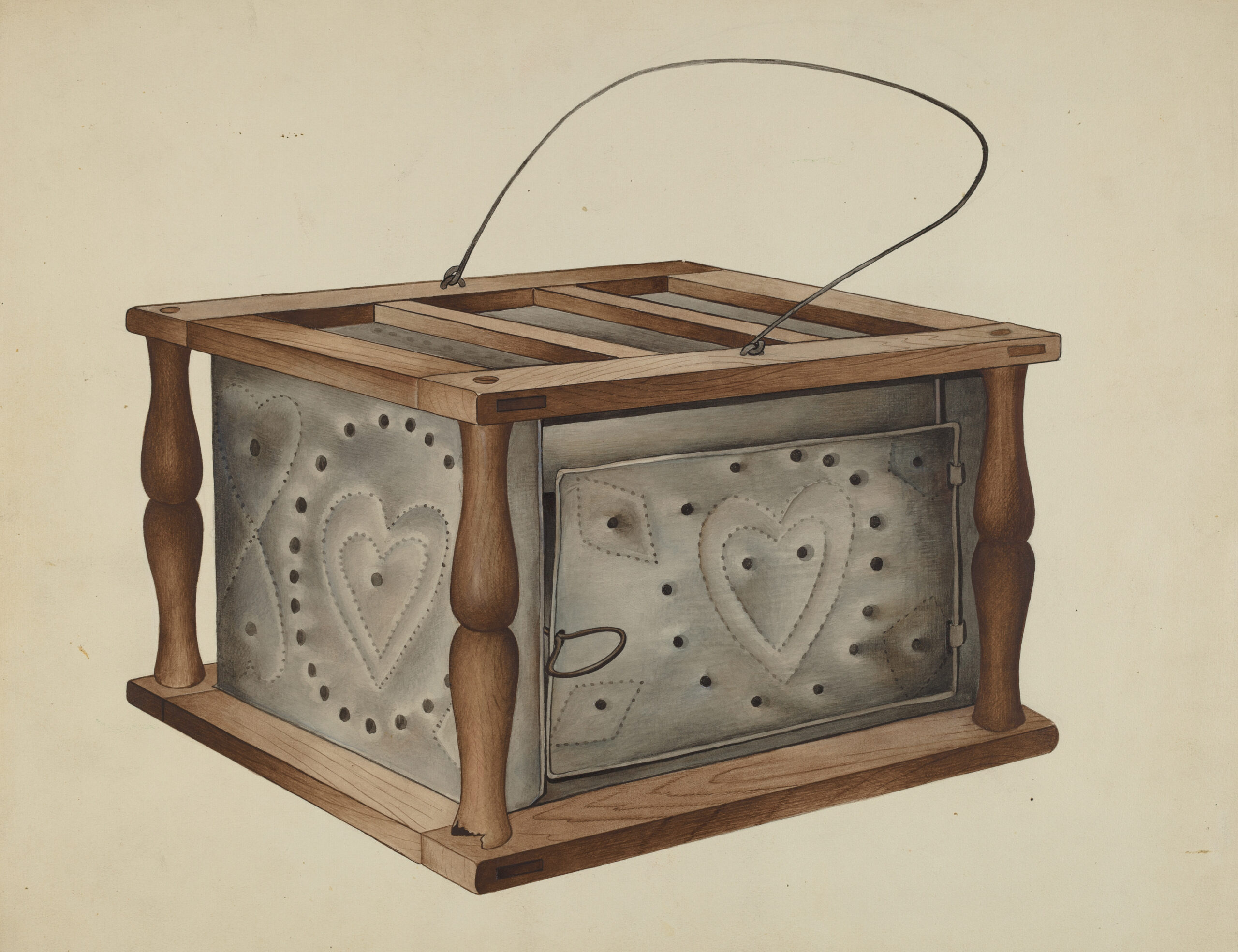
William Paul Childers Foot Warmer.
3. Foot Warmers
Foot warmers originated in the 17th century and were used all the way up to the 19th century. Not to be confused with everyday socks, these warmers consisted of an interesting contraption that fast became a popular way for our ancestors to keep their feet warm during winter.
Foot warmers consisted of a wooden box that was able to hold heated rocks. Once the rocks were at the correct temperature the user would place a rag or blanket over the box and place it at the end of their bed to keep their feet warm. Our ancestors would even take this nifty little box on wagon rides and carry it with them on long journeys.
There is no modern-day comparable product that I can think to recommend – but if you're feeling adventurous you can make your own foot warmer!
4. Local Insulation
Local insulation started to become popular during the early 19th century. With the application of this technique, a person was able to stay warm via a specially designed chair or cabinet. The chair would oftentimes have a hooded form which aided in capturing the heat from a nearby fire and would help to distribute it evenly, keeping the person sitting in the chair nice and toasty.
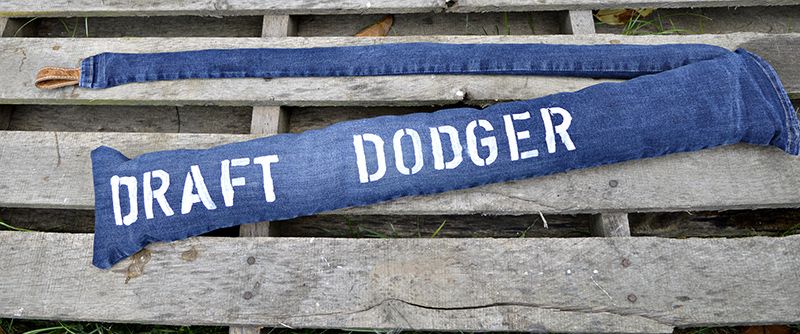
5. Door Snakes and Rugs
Our ancestors placed large mats and rugs over the flooring to make it feel less cold. This was mainly used in homes that had stone flooring, and nowadays can still be applied in modern houses that have tiled floors.
Door snakes (or draft excluders) were used to keep warm air in the house and keep out drafts from beneath doorways. This is a particularly underrated thing to do and is a fantastic, cost effective hack to repurpose old clothes into something useful. Here's a great DIY guide to making your own draft excluder from Becky at Pinks Charming.
You can purchase rugs, large mats and even door snakes at various second-hand and charity stores these days because they're just not seen as ‘essential' items anymore. That means you can grab a bargain for a reasonable price and save yourself plenty of money in the meantime by retaining more heat in your home.
6. Back to Basics: Cover Your Head and Feet
Now, I'm sure we've all heard our grandparents tell us to cover our heads and feet when going out on a winter day. In fact, I have very fond memories of my great-grandmother constantly telling me off for walking around barefoot on a tiled floor in winter. Always reminding me that I'd catch a “chill” if I continued to act so recklessly.
This is because a lot of heat tends to escape the body through our feet and head. Our ancestors understood this simple fact of life and would seldom be seen outside during the winter months without some form of head covering. Nor would they be seen walking barefoot – either indoors or outdoors – during the colder months.
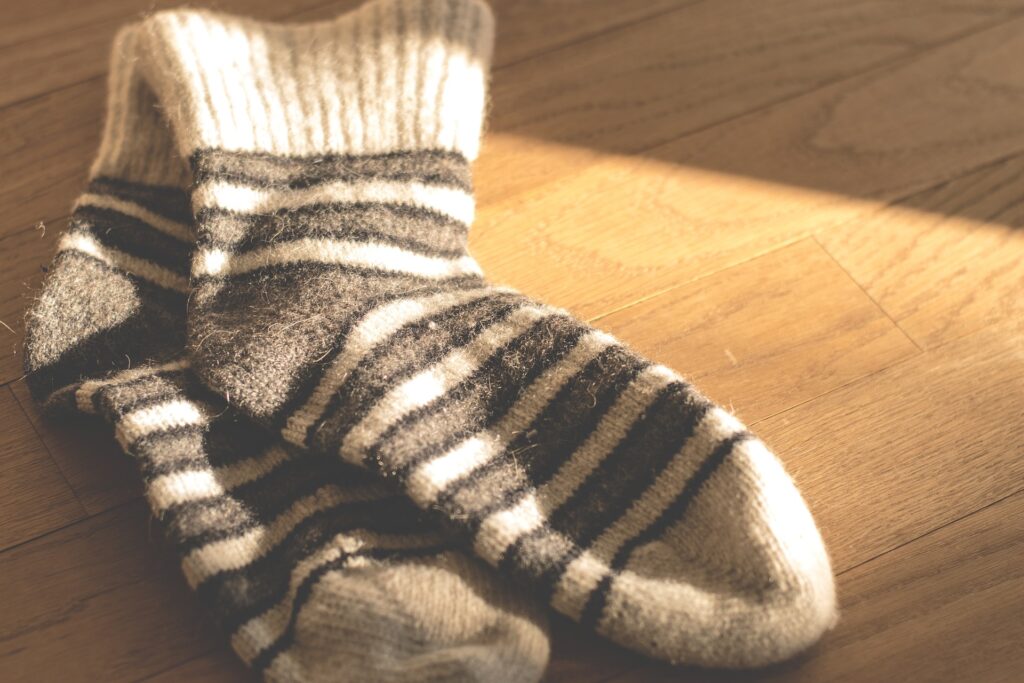
The same stands true today. Walking around your home barefoot during the winter months can reduce your body temperature. Wearing wool socks can help to keep your feet toasty and warm. Likewise, wearing a hat or even opting for a hoodie during cold snaps can increase and retain warmth, with the added bonus that it's comfy.
We wrote an entire guide on the best types of clothing to use if you want to keep warm in winter without power if you want to learn how to do it properly.
Final Thoughts About Staying Warm Without Electricity
Nowadays, heating our homes is much easier, albeit at a cost. We have the ability to warm up all the rooms in a house with the click of a button.
Radiators and central heating work great, there's no denying it – but with the cost of electricity and gas at an all-time high, along with the growing necessity to disconnect your life from the centralised systems of big, arguably corrupt, corporations, learning how our ancestors were able to stay warm without electricity is most definitely useful. Especially if you're looking for ways to lower your heating bill each month.
Have you tried any of the methods mentioned in this article? Do you know of any others?
Let me know in the comments section below, I'd love to hear all about your experience.
PS: If I missed any of your favourite ways in which our ancestors kept warm during winter then leave a comment below so that others can also take note and we can all learn together.
Beat The Reset
If you enjoyed this guide, subscribe to my newsletter to receive more content like this, lots of positive news stories and some practical solutions to help you beat the reset.











3 things I use that you missed:
1. bedsocks – easier to fall asleep when your feet are cosy. Bedsocks are looser than ordinary socks, and more fluffy. They can be wiggled off if your feet get too hot.
2. Door curtain. My nan had a door snake for a while then opted for a curtain over the door frame. I’ve found this very effective too, and my daughter has one as well. Bonus because it stops draughts on the side of the frame as well as the bottom.
3. Fleece mattress topper. Goes between the mattress and the sheet. I have a full merino fleece with inch pile (ebay, Poland) – running costs are zero. Previously I’ve used a wool blanket, and my nan for instance, had a feather mattress. I also tried a thin duvet but it was awkward because of the size.
Brilliant additions, Tricia. I’ll get your suggestions into the guide. I have a feeling many people are going to need them!
Have a wonderful New Year and thank you for taking the time to pass on your knowledge.
Yes, when my husband and I were hanging insulated window drapes, we considered getting one for the door. Also, I often out a soft scarf around my neck to catch the drafts that seep in through the covers. Also it can be pulled up over the side of my cheek that’s exposed to the cold room air. I’ve been using bed socks for years since I normally keep a cool bedroom.