With whispers in the wind about a dark winter ahead, it seems appropriate to seek the sage advice of our elders and those cold-climate experts with first hand experience when it comes to learning how to keep warm in winter without power.

It's often the simplest of things we forget when we try to find solutions to problems.
For instance, when you think about keeping warm in the winter, your mind tends to jump to wood fires and central heating, then insulation and the efficient turning on/off of your thermostat to keep rooms warm without using too much power.
Its a fragile flaw in our makeup that seems to always push us towards the most difficult solution when the simplest solution will work just as well – if not better.
In the case of keeping warm in winter without power, it is no exception. The simple solution that gets overlooked the most when it comes to staying warm is: clothing.
Curious about this, I put the question out to the wise people in my twitter timeline to get some first-hand guidance.
You can see the tweet got 152 replies…that's a lot of advice about keeping warm in winter and a lot of tweets to read through.
I don't expect you to read through all of that (you can if you want, of course), so I took some time to turn the information into some pretty pictures and quick-to-digest tips and clothing ideas for keeping warm when the power goes out in the guide below.
Enjoy!

The Fundamental Principle of Staying Warm
How do clothes keep you warm exactly?
In the context of clothing, warmth; or rather, how much heat is emitted from any given part of your body, is affected primarily by 3 factors:
- Conduction – direct contact
- Convection – currents that carry warm air away and replace it with colder air
- Radiation – photons carrying heat energy away
Your skin is an excellent conductor of heat, and without any clothing or insulating factor between yourself and the air, heat is lost directly through your skin via these 3 methods.
Clothing reduces the effects of these heat transferring mechanics by:
- Providing an extra insulating layer; slowing conduction
- Blocking air currents from reaching your body; slowing convection
- Absorbing and reflecting some of the escaping photons; slowing radiation
That being said, the key thing to remember is that it isn't the clothing per se that reduces heat loss, it is the thermal, insulating and reflecting properties of your clothing that reduce the effects of conduction, convection and radiation that keeps you warm.
With this knowledge in hand, we can now take a look at the different types of clothing that keep you warmest with some appreciation of why they keep you warmest.
This fundamental knowledge should serve you well if your favourite brand of Merino Wool suddenly disappears from the shelves and you need to keep warm in winter without power.
Which Clothes Offer The Best Insulation?
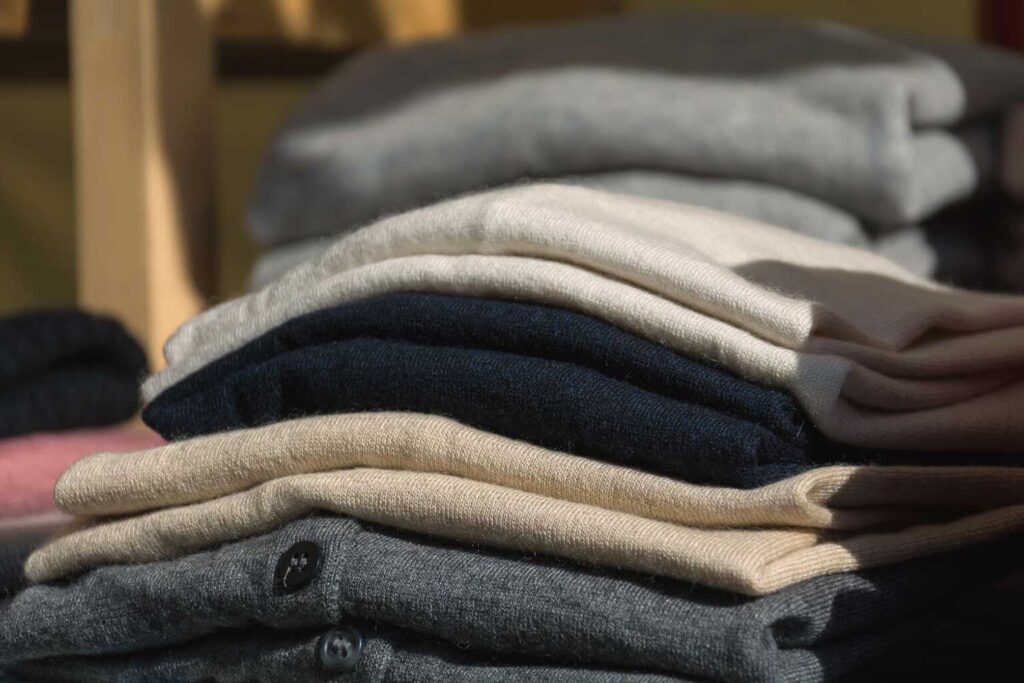
Clothes made of fabrics that trap more air offer the best insulation. To fully appreciate how it works, it's worth digging into what ‘insulation' in clothing actually means.
Trespass, the well-known outdoors brand, do a good job of explaining what insulation is when it comes to clothing:
“Insulation in clothing works by trapping tiny pockets of warm air close to the skin. Air is a poor conductor of heat, and is therefore ideal as an insulating element. The air contained in an insulated clothing item will block heat from escaping from the body, and the more trapped air there is, the higher the insulating factor.”
Therefore, clothing made from material that has the largest capacity to trap the most air will offer the best insulation.
How Is Clothing Insulation Measured?
Insulation typically comes in two types; natural ‘down' and man-made synthetics. They are measured differently because they have different qualities.
Natural ‘Down' is measured in ‘Fill Power' to an international standard and overseen by The International Down and Feather Bureau (IDFB) whereas synthetic insulation is measured in CLO (Thermal Insulation of Clothes), TOG (Thermal Overall Grade) and GSM (Grams Per Square Metre).
- CLO is a measure in GSM which is the Mass of material per m2, g/m2. Sometimes the value TOG is used instead of CLO. You can learn more about these measurements over at the Contract Laboratory Ezine, where they give a more detailed explanation. The higher the CLO or TOG, the better insulation properties the clothes will have.
- Down is measured in ‘Fill Power', which is the measurement of how much cubic space down occupies. Generally, the higher the fill power of the jacket, the greater the amount of warmth or puffiness per ounce.
There are other factors too, but these are the primary ones that will help you assess the insulation factor of clothing and whether or not it will keep you warm in winter.
Here are a couple of examples of some of my jackets to compare. I use the Filson when I'm doing heavy work outside and expecting to sweat and the RAB when I don't plan on being so active or getting as sweaty.
They both keep me warm and they're both lightweight but they do serve different purposes. If I was planning on keeping warm in my house if the power went out, I would definitely be using the RAB for this because it's lighter in weight.
Filson Synthetic Insulated Vest
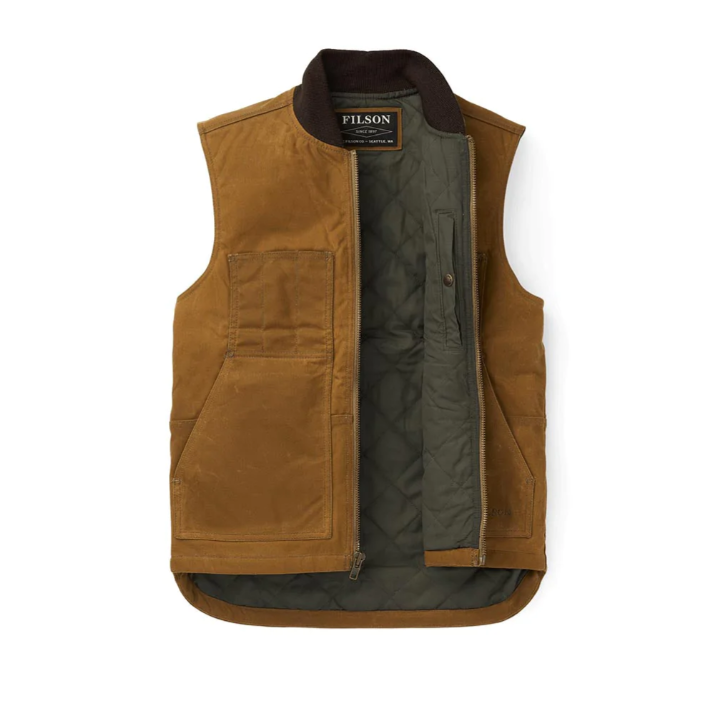
For the insulation, they've gone for a cosy synthetic Primaloft that'll keep you warm even when it gets wet:
- 14-oz. 100% cotton oil finish Tin Cloth
- 60g Primaloft® Gold
- 6-oz. Dry finish Cover Cloth
- 8-oz. 100% cotton flannel
- 75% Wool/25% nylon rib knit
- Weight:
RAB Mens Electron Pro Natural Down Vest
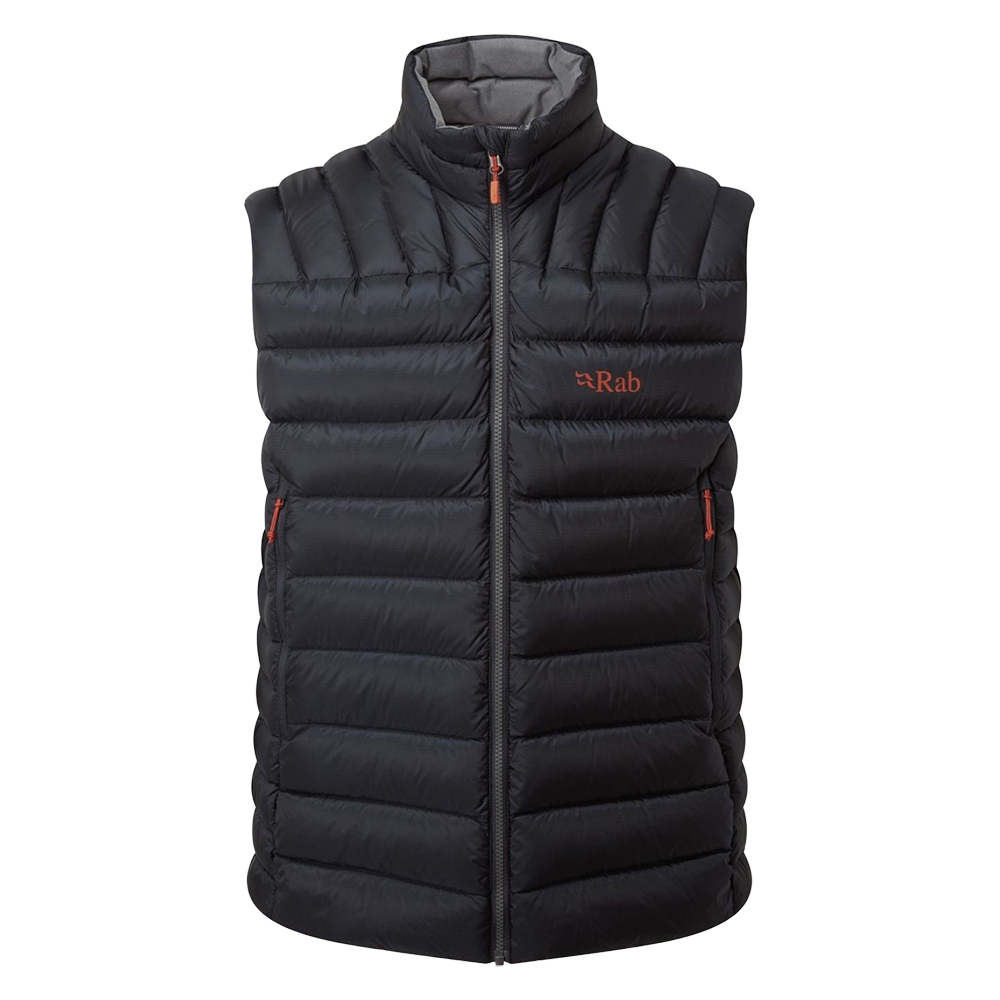
The Electron Pro Vest comes into its own whenever rapid insulation is required.
- Shell: 20D nylon Pertex Quantum Pro, with DWR
- Lining: 100% Recycled polyamide
- Insulation: 800 fill-power European goose down, Nikwax hydrophobic coating
- Weight: 351g
What Is The Difference Between Down & Synthetic Clothing Insulation?
Natural ‘down' is the naturally occurring, fluffy next-to-skin coating found on the underside of birds. Synthetic insulation is a man-made insulation that goes by many names depending on the manufacturer. Fleece is an example of a synthetic insulation whereas goose or duck down are examples of natural down.
The main difference between the two is that natural down traps more air but retains more moisture and once down gets wet, it's insulating properties diminish. Synthetic insulation, on the other hand, does not trap as much air but it does repel water more efficiently, making it more suitable in potentially damp/wet situations for keeping you warm.
For centuries, down has been used to create clothing that kept your ancestors warm in the winter. It is not the same as feathers.
Feathers form the stiff outer plumage of a bird and aid in flight and waterproofing but provide very little insulation. Down clusters, however, trap pockets of air, which in turn trap warmth from your body.
The first recorded use of a down jacket was in 1922 when an Australian climbing team made the summit of Mount Everest. In reality, down has been used for thousands of years as an insulating material for hunters' jackets. The Inuit people, as one example, are said to have been using down for insulation as long as records go back.
Down has proven to be one of the most effective methods of providing insulation in clothing.
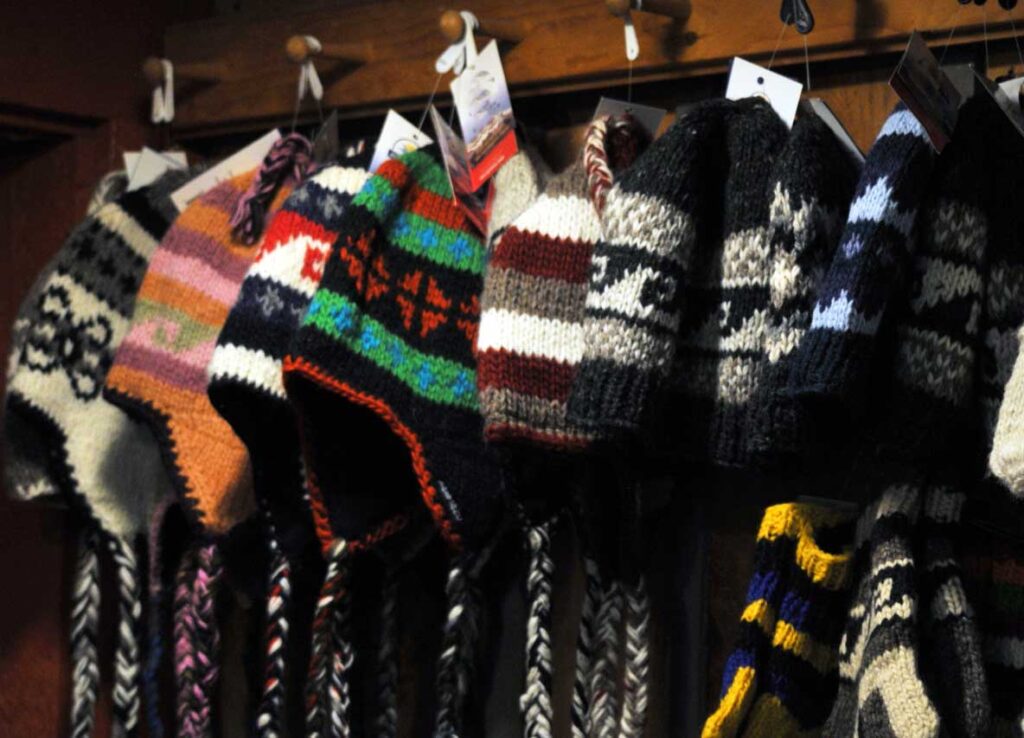
What Clothes Will Help You Keep Warm In Winter Without Power
As I mentioned previously, clothes with the highest insulating factor will keep you warmest in winter. I know you're thinking that's a pretty vague statement so I made a list of the top insulating materials below.
This list is taken from the huge sample of replies I got in the initial tweet and is based on you being inside your house; so, nice and dry and not getting wet.
- Wool (Merino, Cashmere, Sheep)
- Down
- Leather
- Silk
- Synthetics (Fleece, Thinsulate, Thermolite, Primaloft and Quallofil)
- Cotton
How To Layer Up Properly To Keep Yourself Warm In Winter

Now you know a little more about what keeps you warm and which materials do it best, it'd be worth looking at some proven methods of layering properly.
The tweet thread is a great resource to see what real people are doing out in the wild but I've taken the key points and most popular methods and will share them here to save you the time.
What should you wear to keep warm in winter if the power goes out?
- Base Layer: Merino wool long sleeve base layer/thermals
- Mid Layer: Long sleeve wool sweater/jumper
- Outer Layer: Natural down lightweight jacket/vest
- Head: Wool hat or beanie
Base Layer
Your base layer should be comfortable first and foremost. It's the layer that's going to rest against your skin. Too scratchy and you'll be uncomfortable. It should have some moisture wicking ability too. Merino wool – or a finer wool still (cashmere) is perfect for this layer.
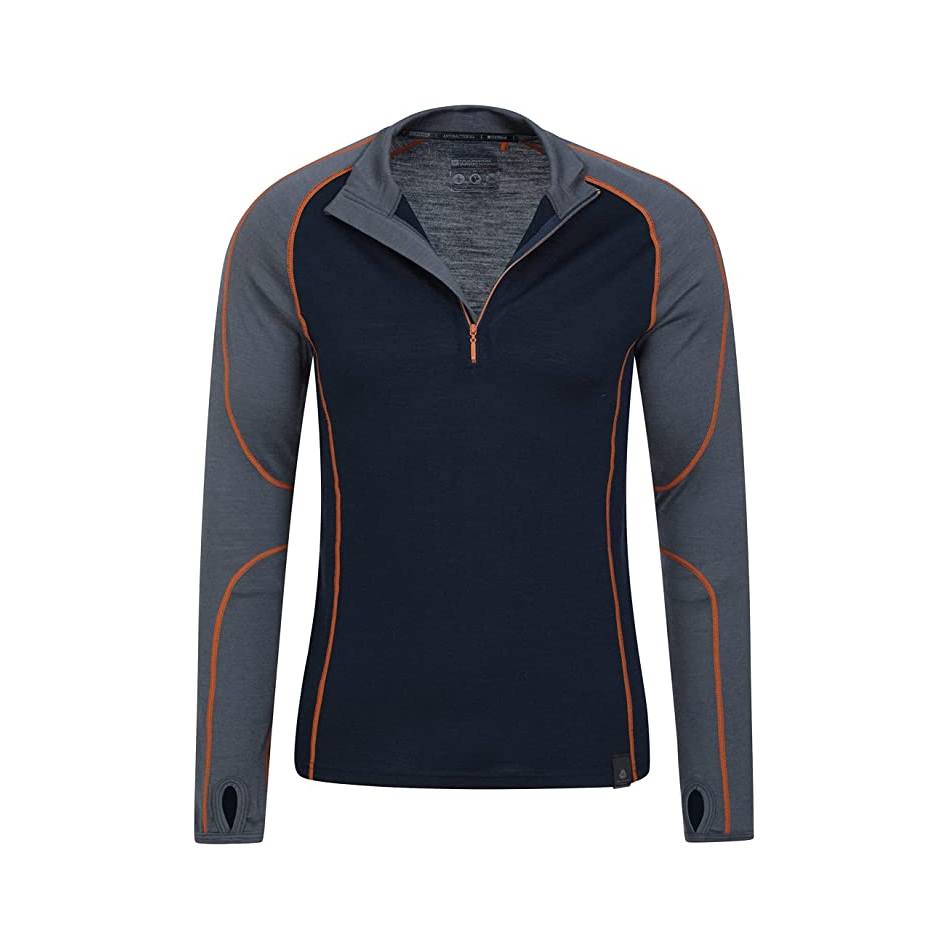
This ‘Asgard' 80% Merino / 20% Polyester blend (or something like it) from Mountain Warehouse hits a sweet spot between function and price for me. When you start to go for bigger brands and 100% Merino, you see your price shoot up too so this offers a good compromise.
Mid Layer
Context is important and in this guide, we're helping you keep warm in the winter without power – inside your house. This means there won't be any rain so the mid layer consideration doesn't need to be waterproof. This gives you a few more wool options.
Our goal is insulation and warmth, and therefore you should be looking for a wool jumper, possibly a hoodie.
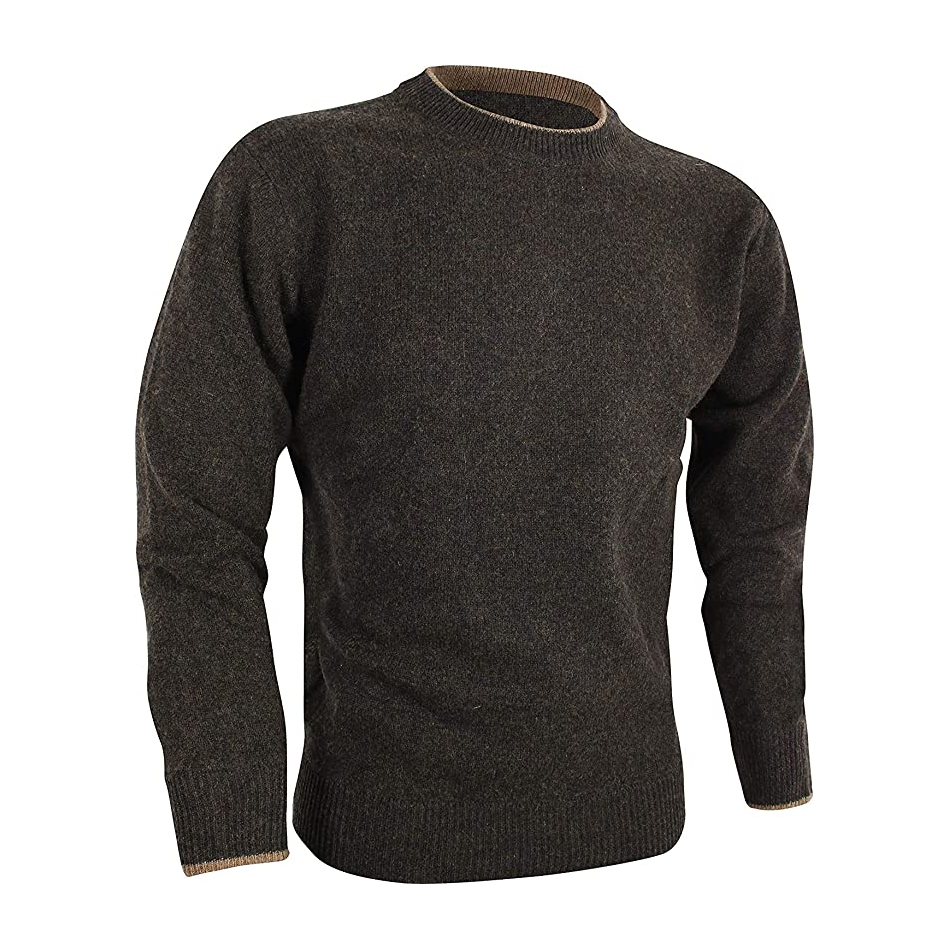
This lamb's wool jumper from Jack Pyke is a good example of the kind of thing you should look for. This particular jumper is not too expensive at around £40 compared to some other 100% wool options out there and as I'm all for function over fashion, it suits me fine.
And it'll certainly be a good mid-layer to help me keep warm in winter.
Outer Layer
Your outer layer should be comfortable, flexible, lightweight and very warm. It doesn't need to be waterproof or wind resistant because we're kitting out to keep warm in the winter without power inside your home.
For this reason, a gilet or vest style down jacket would be perfect, but if you really wanted to ramp it up (and heat it up), you could go for a full down jacket with hood – maybe even a parker.
For me though, I'm going fairly lightweight so something like this RAB Electron Pro Down Vest.
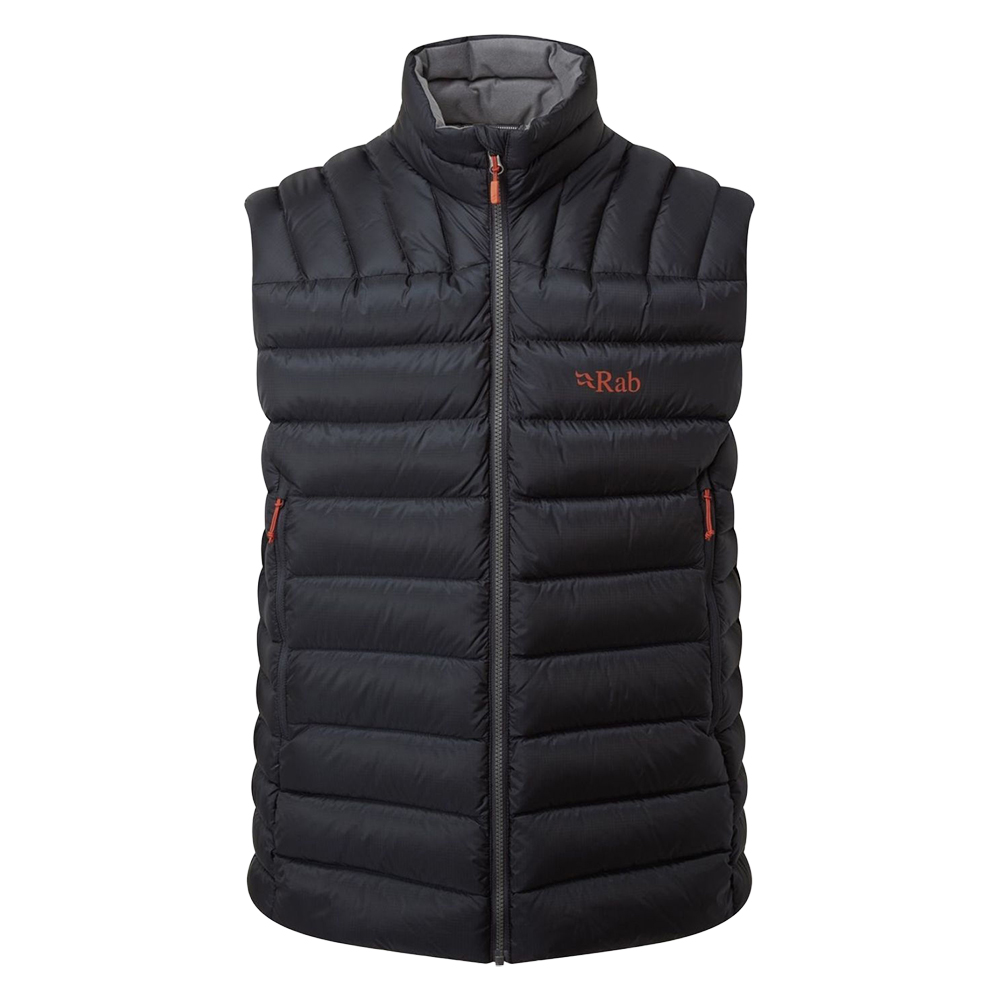
This is one of my favourite gilets/vests. It is an 800 fill power goose down insulated vest that keeps you toasty warm whilst not restricting your flexibility or comfort. It's lightweight but keeps you warm and I use mine in all seasons; but it'll be especially handy in a winter without power where I need to keep warm.
Head
It's well documented that you lose most of your body heat through your head. It would do you no good to layer up properly everywhere else and then not put a hat on to keep all that warmth inside.
If you want to keep warm this winter without putting your heating on (or if your heating isn't working) then you really need a wool beanie. It's directly on your head and could be scratchy and the last thing you want is an uncomfortable hat otherwise you'll never want to wear it.
That's why you need a soft wool beanie like this Merino beanie from &SONS.

This will keep your head warm in the winter and cool in the summer. It has some water resistance properties because it is made from natural wool but you shouldn't stay out in the rain too long with it. If it gets too wet (more than 35% wet), it will stop insulating.
For things like this, it's worth paying the extra if you can afford it.
Final Thoughts On Keeping Warm In Winter Without Power
The whole purpose of this article was to remind you that before you fire up your log burning stove or turn on the central heating, there are simpler (and cheaper) ways to stay warm this winter.
Even if the worst never comes to pass, the idea of layering up with appropriate clothing is a basic self sufficiency skill that will save you money, improve your life and reduce your dependence on the state. And that is never a bad thing.
For other ways to become more self sufficient; be sure to check out our dedicated guides that teach you how to generate your own energy, how to become self sufficient in food, how to earn your own income and how to look after your own health.
If my content helps in any way and you'd like to say thanks, please consider buying me a coffee 🙏