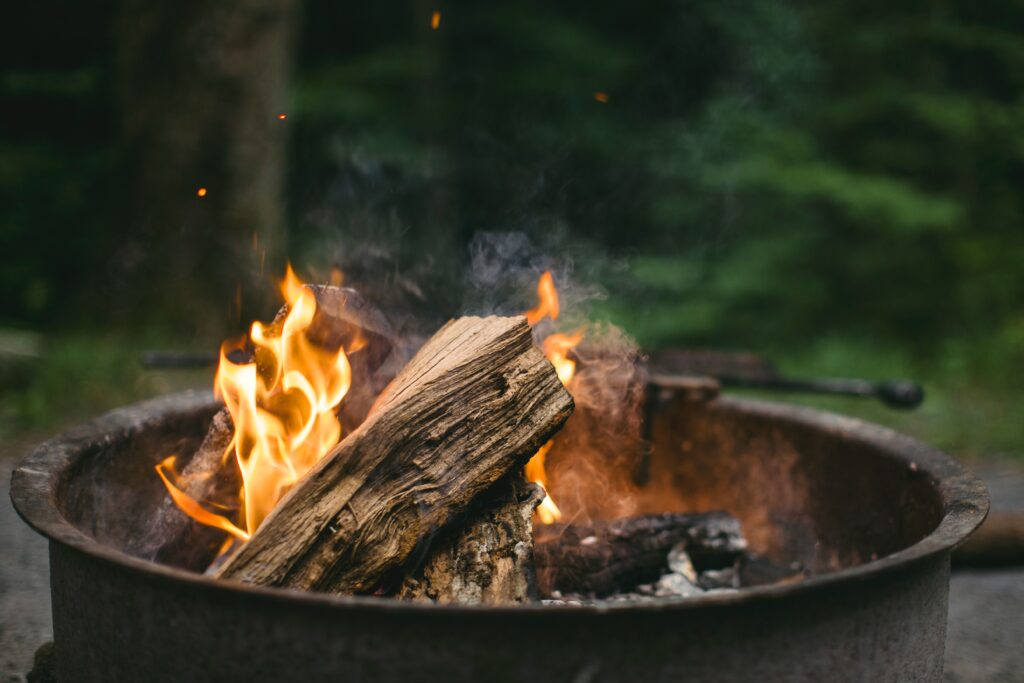
One of the greatest benefits of heating with firewood is that it can be gathered and used to heat your home without anyone else knowing. This not only makes you more resistant to external factors, but it also makes you feel great.
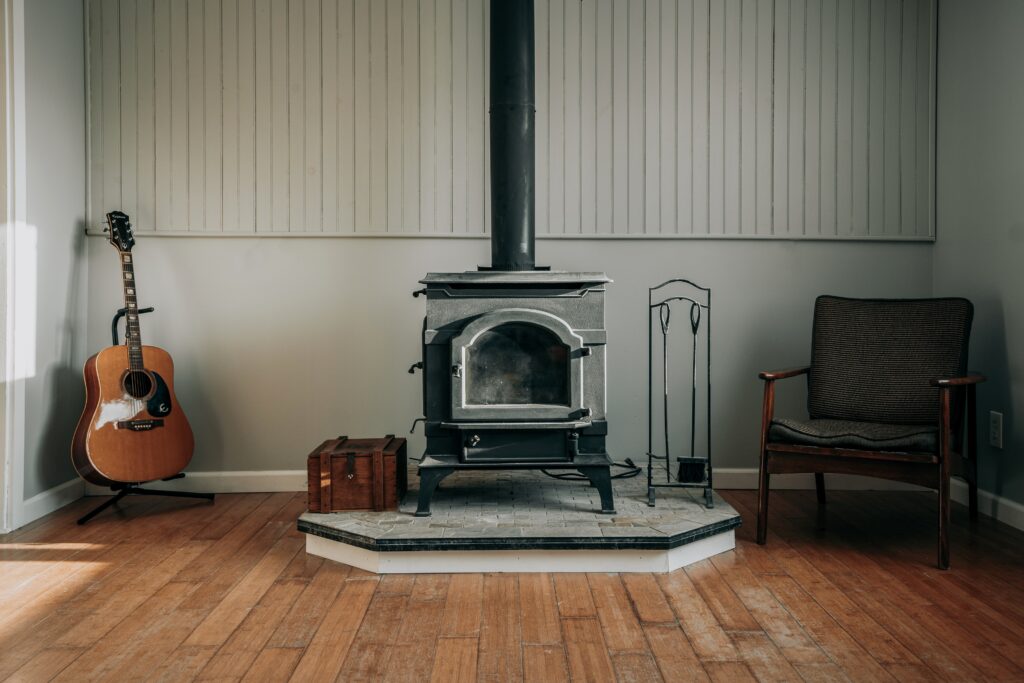
On top of that, wood is a renewable resource (if managed properly) and you can get firewood from any number of local suppliers. Best case: you can even chop your own firewood if you have the right tools and access to resources.
We have an entire library of reviews of different tools to help you become more self sufficient if you'd like to see what we use to chop wood efficiently.
I have been heating with firewood for the first time this winter and I don’t think I’ll ever look back. I love the cost savings, the eco-friendly aspect, and the peace of mind that comes from knowing that I have a reliable heat source.
If you are looking for a cost-effective way to heat your home independent from the state or the large corporations, then I highly recommend giving wood heat a try. You won't regret it.
The Benefits Of Heating With Firewood
For centuries, firewood has been used as a reliable and cost-effective way to keep homes warm. Even today, many homeowners still opt to rely on firewood for their heating needs due to its numerous advantages.
Though it may not be suitable for everyone due to availability and location, for us, using firewood to heat our renovation homestead house was an easy decision. We appreciate the cost savings, environmental consciousness, and convenience that come with this option.
Here are the reasons we personally chose to heat our homestead house using wood:
Cheap
Although it is not without expense, using wood as a heating source has resulted in great savings for us, especially when propane prices are so ridiculously high. One of the biggest advantages of using firewood to heat our home is the cost savings. Firewood is an abundant, renewable source of energy, so it is much more affordable than other fuel sources like gas and electricity.
On average, we have seen that heating with firewood can save us up to 40% on our heating costs. In our area, a van-full of ready-to-burn firewood costs around 95 euros. We were calculating to use about six van-loads per year. To save even more, we like to get full logs, and chop them up ourselves, which drops the price down to around 75 euros per load.
Sustainable
I'm jealous of those who are able to harvest firewood from their own land. Unfortunately, I don't have that option on my homestead, as there are only a few trees here and I wouldn't want to cut them down for firewood. Luckily, there are plenty of dead trees in the nearby mountains that make an excellent source of firewood.
Way More Efficient
Wood can be really efficient, but as with anything it does boil down to your set up. If you’ve got the right stove or fireplace then you shouldn’t run into any issues.
With older wood burning stoves you might find that you’re using more wood whereas newer models are better at creating heat with less timber.
Doesn’t Depend on The Power Grid
I was so relieved when we got our homestead because it came with a big open fireplace. This was a MAJOR one for me. I had been scared that if the power ever went out for an extended period of time, we would be in a tough spot. I used to hate the feeling of being so vulnerable. But with the wood stove, I know that if the power went out for days, we would be just fine. Plus, I could even cook on it if I wanted to!
Lifestyle
I can say that my partner and I are definitely fireplace junkies! We love having a fire going in the fireplace and, luckily, my partner even likes cutting firewood and chopping kindling. It fits our lifestyle and we don't mind the slight inconvenience of it.
What About Sourcing and Storing Wood?
I'm always looking for the best way to source wood for my fireplace heating. During winter, I need to make sure I have enough to keep my home warm and cosy. I've been assessing my needs and researching the best type of wood for my fireplace.
The Best Types of Wood To Use For A Log Burner
In general, the best types of wood to use for a log burner are hardwoods, such as oak, beech, ash, and maple. These types of wood burn longer and produce more heat than softer woods, which makes them more efficient and cost-effective to use. Hardwoods also produce less creosote, a sticky, flammable substance that can build up in your chimney and increase the risk of a chimney fire.
In addition to choosing hardwoods, it's important to use properly seasoned wood. Seasoned wood has been cut and left to dry for at least six to nine months, which reduces its moisture content and makes it easier to burn. Wet or green wood is difficult to burn and produces more smoke and creosote, which can be harmful to your chimney and the environment.
It's also a good idea to mix different types of wood to create a balanced fire. Hardwoods provide long-lasting heat, while softer woods can be used to kindle the fire and help it get started.
Overall, choosing the right types of wood for your log burner can make a big difference in the efficiency and effectiveness of your heating system. Hardwoods that are properly seasoned are the best choice for long-lasting, efficient fires that produce minimal creosote.
How To Ensure You Have A Steady Supply Of Good Quality Firewood
One of the best ways I've found to ensure a steady supply of good firewood is to start planning ahead.
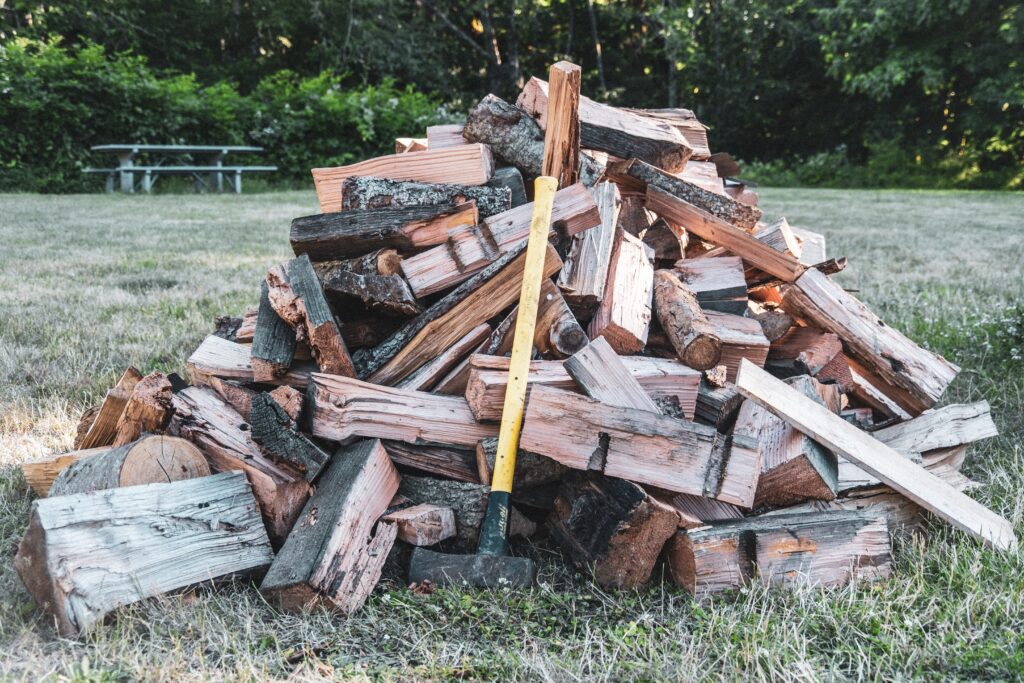
As winter approaches, start thinking about where you will source your firewood and how much you will need. If you cut your own wood, make sure to start cutting and splitting it well in advance of when you will need to use it, so that it has time to properly season.
In order to do that, you'll need somewhere to store it.
In my case, I’m trying to be more mindful about keeping my wood pile dry. Since I don't have covered firewood storage, I keep a tarp handy to cover the wood if it starts to rain. I make sure to stack the wood off the ground and in a way that allows air to flow freely around the wood. This helps the wood dry out faster and prevents mould and rot.
It's also a good idea to have a backup plan in case your primary source of firewood falls through. This might include purchasing firewood from a local supplier or having a backup heating source, such as a wood pellet stove or electric heater, in case you run out of wood or are unable to obtain more.
If I were living somewhere damp like the United Kingdom (where I grew up), I would probably need to invest in a shed or shelter of sorts as well. Seb built his own DIY log store to store the wood he'd been chopping with his Fiskars X25 axe – which we also reviewed in the Fiskars X25 review over here.
But it’s so dry where I am in Spain, it doesn’t take too long for the wood to dry out.
By taking the time to source the right type of wood and store it properly, you can ensure that you have enough wood to keep your home warm and cosy during the winter months.
What Options Do You Have When Heating With Firewood?
Although there are a variety of wood-burning options, individuals with respiratory issues may have difficulty breathing when burning wood.
Fortunately, there are other heat sources available! Here are some of the most popular:
1. A Fireplace
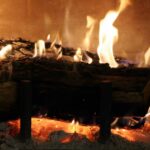
A fireplace is a classic way to provide heat in a home with wood. It consists of an open space made with fire brick to contain the fire, and many people find them aesthetically pleasing.
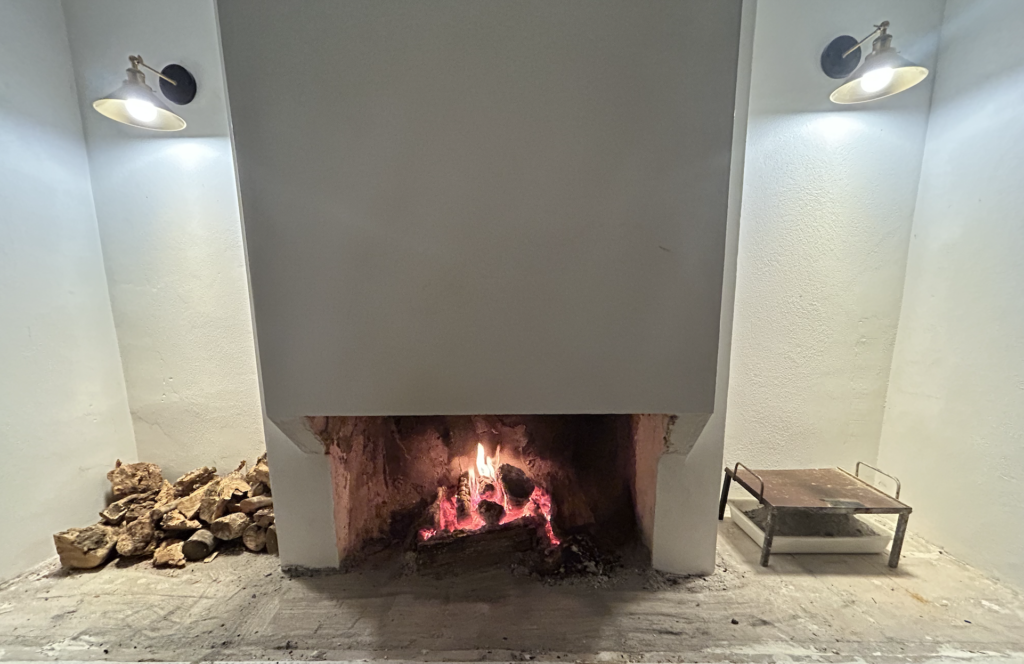
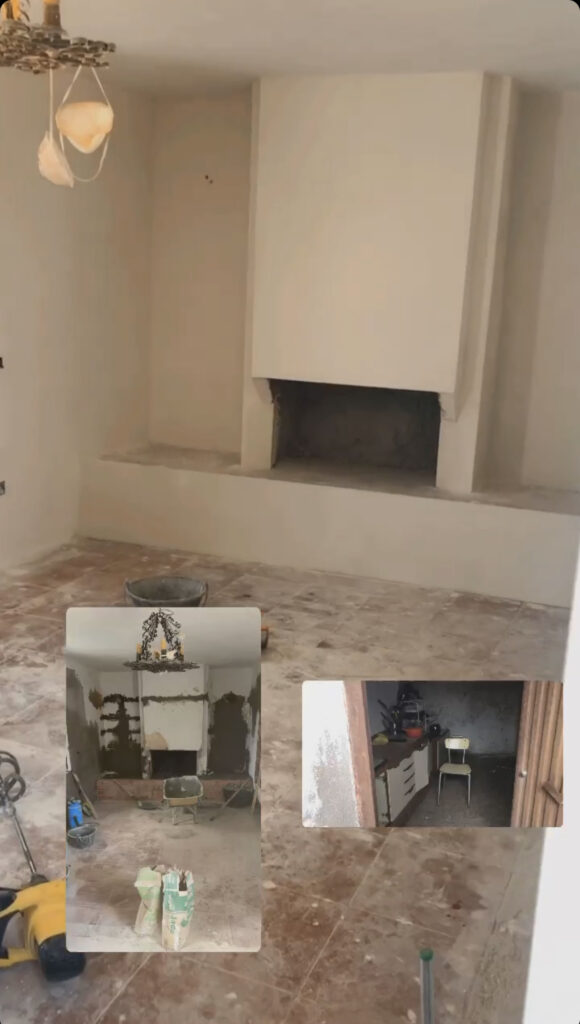
My parents, for example, had a large one in their house while I was growing up, with a marble siding which they loved. And in my case, I'm in the middle of renovating a 150-year-old Spanish ruin with pretty much zero budget and a lot of DIY, so our fireplace, which is located in the living room/kitchen area is still unfinished.
I'm not certain yet if we're going to tile, cement pour, or what. But, what I can say is that for next winter we're definitely going to add a glass front and proper ventilation. You can check out the image below to see what it looks like currently.
2. A Wood Stove
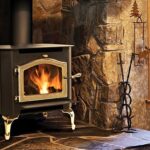
A wood stove is a cast-iron stove that comes with a door, providing extra safety and convenience. Though they get extremely hot, wood stoves make a great addition to any home as they provide warmth and a cooking surface. However, it is important to keep small children away from the wood stove, as they can easily get burned if they touch it.
3. A Pellet Stove
Finally, a pellet stove is a great option for anyone with breathing issues as they don't emit the same odour as regular wood burning. Also, they don't bring the same mess as a fireplace or wood stove since they use compressed wood pellets.
It’s also a very efficient way to heat, and it is possible to be self-sustaining with this type of stove by creating your own pellets.
Final Thoughts on Heating With Firewood
As someone who has now experience heating a home with firewood, I can say that there are definitely more benefits than drawbacks for me personally, especially when it comes to being more self-sufficient in energy.
One of the main benefits of heating my home with firewood is the cost savings. Firewood is less expensive than other types of fuel where I am (Spain), especially if you are able to source it locally and cut it yourself.
It's also very good at warming the room up very quickly. No need to wait for the radiators to warm up.
Another benefit of heating with firewood is the simple ambiance and atmosphere it adds to our home. There is something undeniably cosy and comforting about sitting in front of a warm fire on a cold winter's night. It fills me with pride every time I sit in front of it with my feet up.
However, there are also some drawbacks to consider.
One of the main drawbacks is the amount of work involved in maintaining a wood-burning heating system. It requires regular upkeep, including cutting and splitting the wood, storing it, and cleaning the chimney. This can be time-consuming, but for us, the sense of accomplishment and meaning that comes from doing this work outweighs the effort involved.
On balance though, if you can fit your own log burner for heating with firewood, I'd encourage you to do so while you still can!
Beat The Reset
If you enjoyed this guide, subscribe to my newsletter to receive more content like this, lots of positive news stories and some practical solutions to help you beat the reset.