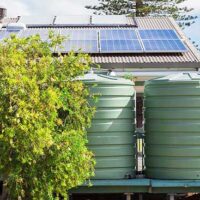
People across the world are enjoying a taste of energy independence thanks to the rise in popularity of the DIY solar generator. In this guide, we'll show you how can build your own and get a taste of that freedom for yourself.

As the cost of solar components continues to decline, more and more people are reaping the benefits of solar energy.
Solar energy is being captured almost everywhere now, in large-scale commercial ‘solar farms', in ‘small-scale' power backup systems like bluetti or jackery power units and in home-made DIY solar generators for off-grid living.
The reason they're so popular is because solar generators are capable of charging batteries directly from sunlight and powering appliances like fridges, freezer, lighting and even power tools independent of the grid-tied system we've all come to rely on so badly over the last century.
These home-made solar generator units are great for providing backup power in the event of an outage and are especially suitable for camper vans or those living off-grid. As opposed to regular petrol or diesel generators used for backup power, solar generators do not require fuel and make no noise.
In this guide, we’ll outline the necessary components, provide a step-by-step guide to building a DIY solar generator system, and include facts and safety tips about solar generators.

How Does A DIY Solar Generator Work?
Solar power is a form of renewable energy that uses the sun’s energy to generate electricity. Solar panels, which are made up of photovoltaic cells, absorb the sun’s rays and convert them into electrical currents. Photovoltaic cells are made up of specially treated materials that become less resistive when heated by the sun’s rays.
This process, called the photovoltaic effect, produces electricity when the sun’s rays strike the cells. This electricity is then stored in a generator, which is often connected to the solar panel. This allows for electricity to be stored for use at night or whenever needed, even when the sun is not shining. The generator is also able to regulate the amount of electricity generated and supplies it in safe and regulated quantities.
The process of building a DIY solar generator is relatively simple. Solar panels, wiring, a charge controller, and a battery for storing energy are the main components required. Once the components are installed and connected, the generator is ready to begin converting the sun’s energy into electricity, which you can use to power your home.

Why you need your solar generator and DIY might be the way best to get one
Solar generators have been around for quite some time, and they used to be a concept that many would have regarded as science fiction. Imagine the awe on your son's face when you explain that the TV in the living room is powered by the sun, miles away. Solar generators have been proven to be much more efficient than fossil fuel-powered generators, and they offer many advantages.
These advantages include:
- No noise pollution
- No dangerous fumes
- No need for additional fuel
- No energy dependency
The downside to solar generators is the expense it takes to set them up, but you can build your own DIY solar generator that offers just the power output you need and is within your budget. Colin the Plumber built his own solar system to power his freezer which he uses to store surplus veg he grows during the summer.
Building a DIY solar generator is easy and straightforward, and you can customize it to fit your specific needs. Solar generators are a great way to both reduce your energy costs and they are the better option compared to fossil fuel powered generators.
Step-by-Step Guide To Building Your DIY Solar Generator
If you're looking to build your own solar generator, here are some easy-to-follow steps to get you started. To ensure safety, stick to the materials listed and don't take any risks. If you're looking for design ideas, you can always check other sources for inspiration or ask in the bournebright online community for self sufficient living.
Have fun and be creative!
Getting the parts
To make your DIY solar-powered generator, you will need these components:
- Solar charge controller
- Portable solar panels
- Battery
- AC/DC inverter
- Breakers and electrical wiring
- Durable case
Assembling the parts
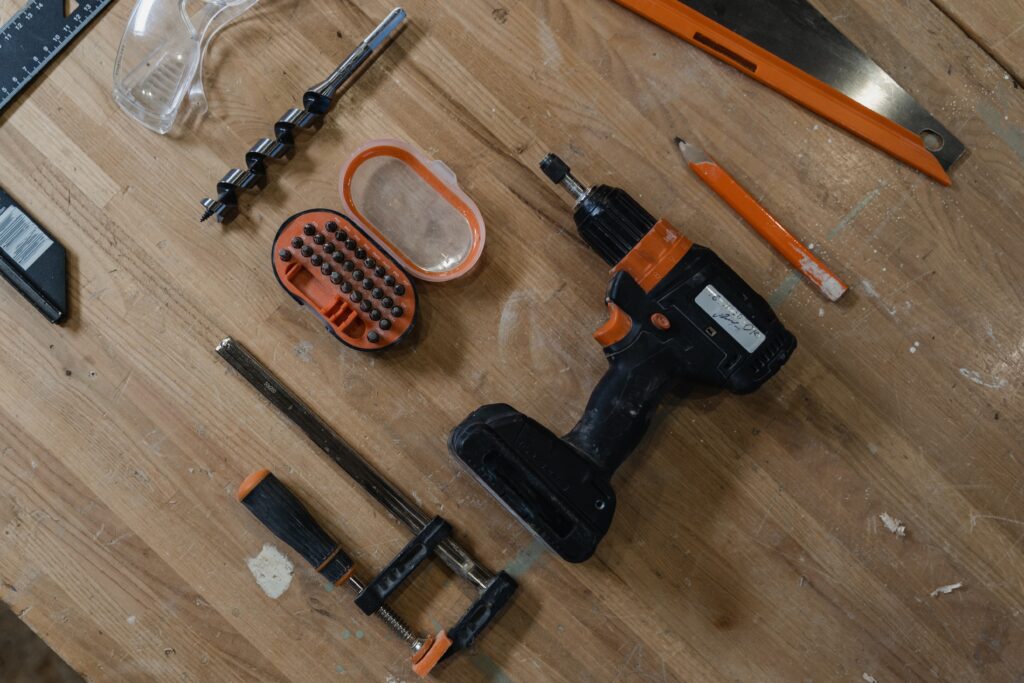
Before constructing a solar generator, you must ensure that you have the necessary tools. Because the next step is to take the components and assemble them.
- Knife
- Drill with a hole saw
- Wirecutter
- Screwdriver
- Glue gun
- Silicon sealant
- Electrical tape
Once you have these prepared, you can move on to completing the following steps.
STEP 1: Prepare the case
To make sure that you can use the solar generator without opening the case, you must cut holes in the case for the wires and controllers to go through. It is important that the cuts are neat and consistent for the best possible results. An easy way to do this is to measure out the size of the holes you need and mark them with a marker or other writing utensil. Then, use a sharp and precise cutting tool, such as a drill, to cut into the case.
Make sure the holes are aligned and that the edges are smooth and even. Once the holes have been cut and the wires and controllers have been inserted, you can close up the case and connect the solar generator.
STEP 2: Battery Installation
The first step in the process of building a solar generator is to properly fit the battery. It's important to make sure that the battery is situated in a way that it is taking up as much space as it needs and is comfortable.
When the generator is moved, the battery should stay in place and not shift around. To do this, the battery should be attached to the wall of the case with a battery strap. This will ensure that the battery is securely held in place, and the generator will run smoothly.
STEP 3: Solar Charge Controller Installation
The following step is to attach the solar charge controller inside the case. Make sure that there is still enough room to fit the solar panels and additional wires. Be certain to leave sufficient space for the parts to be connected and to move freely.

STEP 4: Install The Inverter
Installing an inverter is a complex task. It is the second largest component to be installed in the case and requires caution. To ensure a secure and properly functioning inverter, it is best to use straps when installing it. This will make it easy to remove the inverter for any necessary maintenance. It is also essential to ensure that the inverter is installed in a way that allows for sufficient airflow.
If the inverter overheats and is unable to cool down, it can cause damage to the generator. Taking the necessary precautions when installing the inverter will ensure its longevity.
STEP 5: Fuse Installation and Wiring
Now that the solar generator has been installed, the wiring needs to be done. It is important to connect the inverter to the outlet plug in order to have the system running. To do this, you can use 12 gauge wire (12 AWG). Additionally, the battery needs to be linked to the inverter, and the solar charge controller to the battery.
This process requires three fuses, one between the battery and inverter, one between the solar panel and charge controller, and the last one between the battery and the charge controller. Having the fuses in place will ensure the system is safe and the wiring is done correctly.
Furthermore, it’s important to check the connections with a multimeter before turning on the system to ensure everything works properly and nothing is malfunctioning. If everything checks out, the system should be ready to turn on and start providing power.

Final Thoughts On Building Your Own DIY Solar Generator
It's now easier to start generating your own sustainable power supply than ever before. Components are readily available and you should take advantage of this period of availability while you can. It could well be the calm before a very big storm.
Building your own solar generator can be a fantastic way to take control of your energy use and become more self-sufficient. One major benefit is that it allows you to be free from the grid and rely on your own power source. This can be especially appealing if you live in an area with unreliable or expensive grid power.
Other benefits of building your own DIY solar generator include the opportunity for a fun and rewarding DIY project, the potential to save money on the upfront cost of a pre-made system, and the ability to customise your solar generator to meet your specific power needs.
While building your own solar generator does have some drawbacks, such as the time and resources required and the potential for reliability issues, these can be addressed with careful planning and attention to detail. Overall, the benefits of building your own solar generator, especially being free from the grid, make it a worthwhile consideration if you're looking to take charge of your energy use.
It's also beneficial for the environment, as this kind of energy is renewable and does not deplete natural resources. This energy is more reliable and cost-effective in the long run.
So why not take advantage of the opportunity and start generating your own sustainable power supply?
FAQs
How many watts does my solar generator need to power my house during a grid outage?
In most areas, your house will need anywhere between 3 and 7kW to operate essential devices such as fridges, basic lighting, and pumps.
How much can building a DIY solar generator cost?
This depends on the power and size. You should be able to build a small movable generator for a few hundred pounds, while bigger backup generators can stand you in at a thousand pounds. Whatever the size, building your own is significantly cheaper than the conventional big-store versions.
How long can the batteries last?
In the case of lithium-ion batteries, if you only use the generator every so often, the batteries can last for years. If you’re using it continuously, you might need to replace the battery pack within a few years. You can extend your battery life by not allowing them to drain or reach empty.
Although I’m pretty handy at DIY, I don’t consider myself savvy with electrics. Would I be able to build a DIY solar generator?
If you’re not sure then you can always seek help or advice from a trained electrician. You can also opt for another alternative which is using a kit, which will cost more but might serve as a good introduction.