I make jam every summer and try to preserve as much of my soft fruit as I can for as long as I can. One of the most common questions I get asked is how long does homemade jam last?
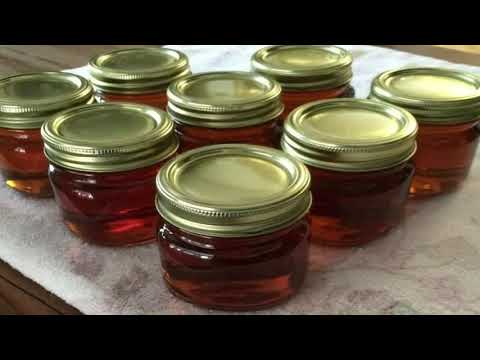
Over the years, I've tried my best to keep track of how long jam lasts and am pretty diligent at double-checking against all my self sufficiency books because there's nothing worse than going to eat something you've preserved only to find it's gone off!
How Long Does Homemade Jam Last: A Quick Reference Guide
| Preservation Method | Shelf Life of Homemade Jam |
|---|---|
| Refrigeration | 1 to 3 months (unopened) |
| Freezing | Up to 1 year (when properly sealed) |
| Canning (in jars) | 1 to 2 years (properly sealed and stored) |
| Preserves (high sugar) | 1 to 2 years (unopened) |
| Low-Sugar Jams | 6 to 12 months (unopened) |
| No-Sugar or Sugar-Free | 1 to 3 months (unopened) |
Methods of Preservation for Homemade Jams

I'll provide a summary of each method below if you want to learn more.
If you'd like to learn how to make your own apple and blackberry jam at home or if you'd rather learn how to make jam without pectin, we have a guides for that too.
Refrigeration
The most common method of preserving jam is to store it in the fridge. It's easy to make a batch of jam and pack it in the fridge – the problem? It only lasts about 3 months.
You can get a little longer out of it but you need to be vigilant in using it beyond that point.
Luckily for me, fresh home made jam doesn't last long in my house anyway so we never have that problem…
Simply make your batch, put a lid on it and leave it to cool. Once cooled, store in the refrigerator for when it's needed.
How To Freeze Homemade Jams
Freezing homemade jam is almost as easy as popping it in the refrigerator; the only difference is you need to make sure that you leave about 1/2 inch of space at the neck of the jar.

This is to accommodate any expansion within the jar as the jam freezes.
It also helps to use proper sturdy storage jars like the Kilner or Ball mason jars. I've heard it said, though not confirmed myself through actual experience, that some store-bought jams and sauces come in thinner glass more prone to cracking in water baths or freezing.
Worth thinking about that if you want to freeze your jam in recycled jars.
Canning Homemade Jams
Canning is still one of the most popular preservation methods for a few reasons:
- It's time-tested (we have records going back thousands of years showing ‘canning' as a preservation method)
- It's so easy anyone can do it
- It preserves food for over a year if done correctly
The basic principle is this: after making your jam and pouring it into your jars, you seal the jars hot with airtight lids and then submerge them into a water bath – a pot of water that covers the full jar by at least an inch.
You then bring the water bath to a boil and keep it on a rolling boil for the prescribed length of time instructed in your canning recipe.
Homemade jams are suitable for canning this way without posing any safety risks or being outside the approved food preservation guidelines of the USDA.
Homemade Jam Preserves
Fruit preserves are not too dissimilar from jams, with the main difference being the consistency.
Jams are smooth and usually made with macerated fruit pulp mixed with sugar and pectin, whereas preserves generally contain larger chunks of fruit, mixed with sugar and water to create a gel-like substance that is then heated in a water bath for long term storage.
Low Sugar Jams
A low-sugar jam is almost identical to a jam except made with less sugar. Any commercial low-sugar jams will have added preservatives to keep them shelf-stable which, to be honest, you probably should avoid.
As a consequence of having less sugar, they don't store as long so aren't as popular with homesteaders or those who make jams for food preservation.
Sugar-free Jams
Sugar-free jams by their very nature don't store as long as jams made with sugar because sugar acts as the primary preservative in creating a shelf-stable homemade jam.
Without sugar, you have to add extra preservatives like honey as a substitute.