
Some people may be pleasantly surprised to learn about the abundance to be had when foraging for food in the city and how it can be a viable alternative to growing a garden. Believe it or not, fruits, berries, greens, mushrooms, and nuts are often bountiful in cities.

But, what may even surprise you more is that foraging in urban settings is actually a widespread practice. In fact, a study from 2017 found that in any given city, dozens to hundreds of species appear to be harvested, including native and non-native species. These species are foraged across urban, suburban, and peri-urban landscapes; in other words, essentially any place where useful plant, fungi, and animal resources can be found, including common, council, and privately owned lands.
The study also mentions how foraging is a dispersed practice, with individual foragers sometimes travelling to multiple locations to obtain the species and experiences they seek.
Do you feel like you’re missing out now? That’s because you are! But, in this article, we’ll take a look at some simple ways that you too can get started with urban foraging.

Foraging for Food in the City: Small Space Solutions
Foraging is a great alternative for those who don’t have access to land, or a backyard to grow their own vegetables. It provides a unique way to get your daily dose of vitamins and nutrients, while being more natural and cost-effective than buying food from the store.
It's also a great step up on the ladder towards food self sufficiency because you begin to realise that if all the supply chains break, you can still get outside and find yourself some food.
Living in a small area can make it difficult to find space to grow a garden, but foraging can be done anywhere. All you need is a keen eye and the right knowledge. It can be done in parks, forests, village greens and even your own backyard, as long as you know what to look for.
Not only can this age-old practice provide you with fresh and healthy food, but it can also be a great way to connect with nature, and learn more about the local flora and fauna.
3 Reasons Why You Need To Start Urban Foraging
During my research process for this article, I stumbled across a few studies that I found fascinating and thought would be interesting to share:
- The knowledge of edible wild plants can be used for food security in all areas of the world.
This study explores the use of wild and semi-wild edible plants by people during the 1430-day siege of Sarajevo during the aggression on Bosnia and Herzegovina (1992-1995). It was conducted on 630 people, 55% of which were residential inhabitants and 45% were refugees. Through interviews and surveys, it was found that 91 species of mostly wild plants and three species of fungus were used in various ways, including in soups, pottages, sauces, salads, spices, beverages, sweets, and more. The purpose of this study was to improve conventional food (pasta, rice, lentils, old beans) by adding spices made from different wild plants.
Furthermore, it sheds light on the resilience of people in crisis situations and demonstrates the importance of traditional knowledge and the use of wild plants in times of need.
- Urban foraging is an integral part of our human identity, as it reflects our relationship with nature, our sense of place and mobility, and our need to negotiate between the different ways of living in cosmopolitan cities.
This research study examines the practices of urban foraging in Seattle, Washington, USA, and the relationships between people and nature within urban ecologies. Through qualitative interviews and participatory observation, the study explores the concept of “relational ecologies of belonging” which describes the cultural identity, place, and extrahuman factors that influence foraging practices. The researchers suggest that urban foraging reflects a complex arrangement of intertwined and multiple notions of identity, place, and mobility. Furthermore, the study proposes that these practices raise important challenges for environmental management and urban planning in public spaces.
- Urban foraging is an integral part of our history, having been used for centuries to meet a range of needs, from food procurement and economic gain to cultural and recreational value.
Lastly, this study examines the role of foraging in human societies and the various goals it may have. Through the use of a literature review, it was found that foraging is not restricted to hunter-gatherer societies and the goal of food procurement. It is a ubiquitous human behavior used to extract a broad range of wild resources, including plants, animals, and minerals. Today, foraging can also be used to obtain a primary or secondary source of income or to meet socio-cultural goals. These goals can be related to culture and heritage, recreational values, or to environmental conservation. The importance and emphasis of these various goals have changed over time and with the historical, sociological, and ecological contexts.
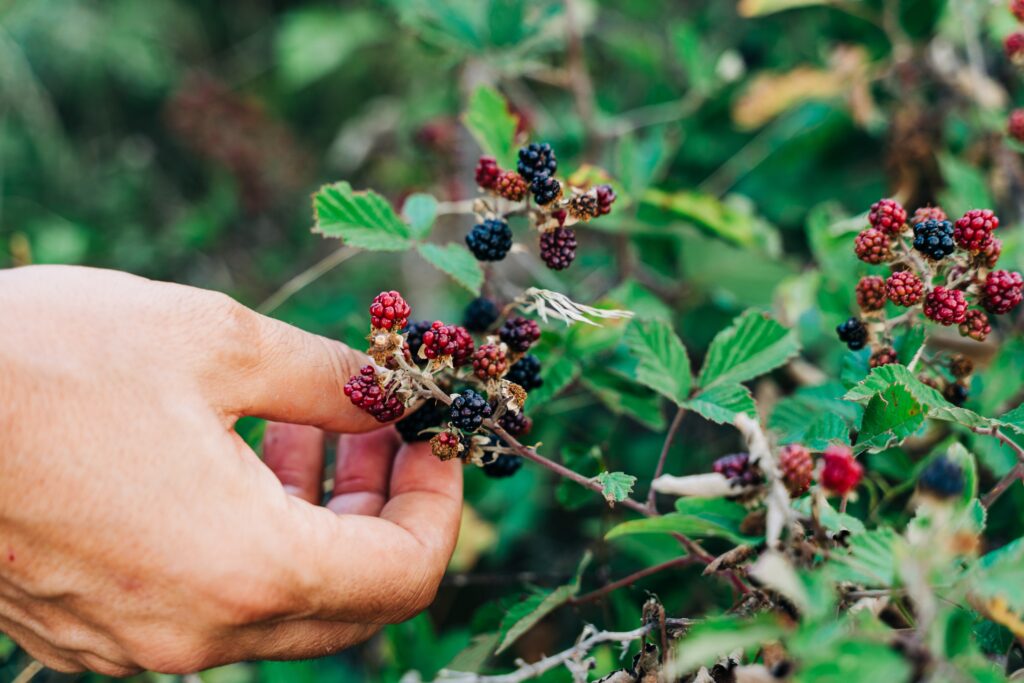
How To Start Foraging In Urban Environments
If you have a backyard, that's always a good place to start. Even if you live in a shared living situation or an apartment block your building most likely has some green spaces and gardens that may be home to edible shrubs, trees, and weeds.
If backyards aren’t your thing, or you’ve checked yours already, then you can proceed to do some exploring in your local neighbourhood. Local councils often have parks, woodlands, community gardens, and other green areas that hold free foods and medicinals.
Sometimes, you may find that you need to get permission from the property owner, manager, or renter before picking from their trees or foraging their weeds. You'll find that most individuals are perfectly fine with friendly neighbours foraging. These moments serve as great educational opportunities as well, where you can share your knowledge with others about the benefits of whatever plant it is that you're picking!
Depending on what area of the country you reside in, you might have to venture a little farther from your home to go foraging. Then again, there are plenty of beautiful natural parks and hikes that are easily accessible. You can find information on foraging areas that are local to you with a simple internet search or better still, get hold of a physical map.
Remember though, most foods are seasonal so you'll have to double-check what will be available before heading off on your adventure.
We wrote a detailed guide about foraging in the winter if you'd like more specific information about winter foraging.
What Are The Most Common Edibles You Can Forage In The City?
There are many edible plants and fungi that can be found in urban areas, but the specific types that you are likely to find will depend on the specific location and climate of the city.
Some common edible plants that grow in urban areas include:
- Dandelion (Taraxacum officinale)
- Nettles (Urtica dioica)
- Purslane (Portulaca oleracea)
- Plantain (Plantago spp.)
- Chickweed (Stellaria media)
- Wild lettuce (Lactuca spp.)
Fungi that can be found in urban areas include:
- Oyster mushrooms (Pleurotus ostreatus)
- Shaggy mane mushrooms (Coprinus comatus)
- Sulfur shelf mushrooms (Laetiporus sulphureus)
To find these and other edibles in the city, you can start by looking in public parks and green spaces, as well as along the edges of sidewalks and roads.
You can also ask permission to forage on private property, such as community gardens or abandoned lots. Just be sure to follow all local laws and regulations regarding foraging, and always respect private property.
Five Books That Will Help You Go Foraging In The City Successfully
There's a plethora of information out there about urban foraging but sometimes it's just nice to have a handy reference list to pick from. Here are my top five books about urban foraging that really helped me learn how to forage successfully:
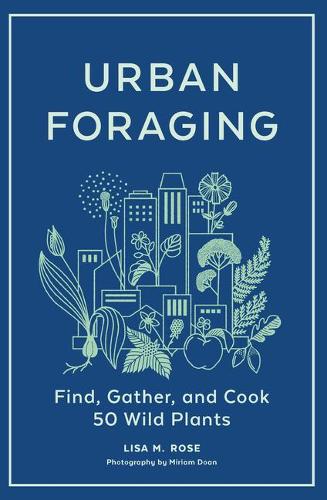
“Urban Foraging: Find, Gather and Cook 50 Wild Plants” by Lisa M. Rose:
Urban Foraging, by expert forager Lisa M. Rose, shares all the basics necessary for successful foraging: clear photos that help identification during harvest, tips for ethical and safe gathering, details on culinary uses, and simple recipes will help you make truly fresh, nutritious meals.
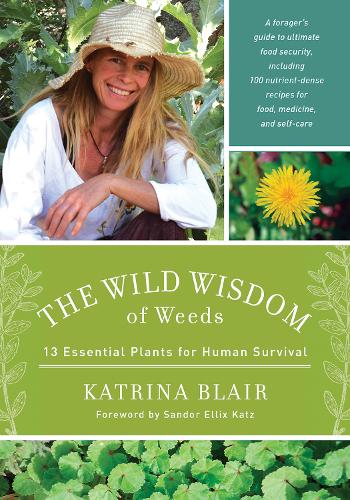
“The Wild Wisdom of Weeds: 13 Essential Plants for Human Survival” by Katrina Blair:
This book explores the nutritional and medicinal properties of 13 common weeds, and shows how they can be used for food, medicine, and other practical purposes.
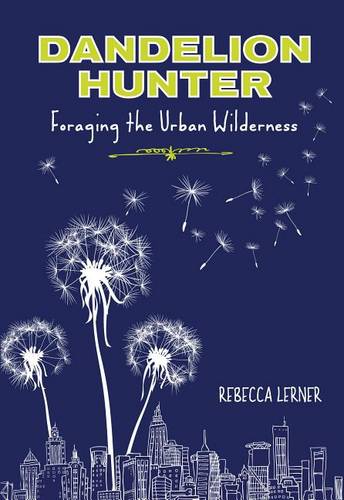
“Dandelion Hunter: Foraging the Urban Wilderness” by Rebecca Lerner:
In this engaging and eye-opening read, forager-journalist Becky Lerner sets out on a quest to find her inner hunter-gatherer in the city of Portland, Oregon.
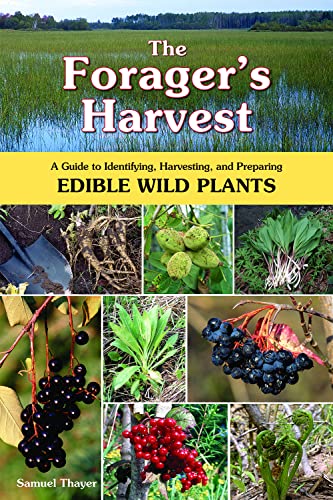
“The Forager's Harvest: A Guide to Identifying, Harvesting, and Preparing Wild Edibles” by Samuel Thayer:
This book is a comprehensive guide to identifying and harvesting a wide variety of wild edibles in temperate regions, including many that can be found in urban areas. It includes detailed descriptions and photographs of each plant, as well as information on how to prepare and preserve them.

“The Urban Forager: How To Find & Cook Wild Food In The City” by Wross Lawrence & Marco Kessler:
With stylish photography and expert advice from a professional forager, this book explains how to identify 32 easy-to-find plants in the city and cook up a wild feast.
Map Out The Foraging Sites
Creating a food map is a great way to identify and then keep track of all the areas where edible fruit, weeds, mushrooms, and other yummy treats grow in your area. This way, come summer, or any other season for that matter, you won't need to start all over again or spend hours trying to remember where you found those delicious oyster mushrooms two years ago!
Although, in reading Mo Wilde's book “The Wilderness Cure”, I found it somewhat inspiring that she believes the human body has some instinctual, liminal power that always seems to remember where good food was foraged. She likens it to wolves always remembering their way home no matter where they go.
I'd love to hear more about this idea so if you've experienced anything like this, please do share in the comments below.
Foraging for wild food is a simple art form that's available for anyone who’s interested to learn. You don't need 20 acres, a backyard, a farm, or a garden – as mentioned previously, you can live in a small apartment and still become an avid forager.
All you need is the desire to learn, good sources of information to pull from, and the willingness to go looking for these foods.
Another overlooked benefit of foraging is that it helps to connect our palates with the local environment. It allows us to source seasonal, and local foods with zero transport miles, zero chemical fertilisers and it removes the long list of unknowns about food production that are a common issue nowadays.
With all that said, let's take a look at a few of the different ways in which you can create a foraging food map when you go foraging in the city.
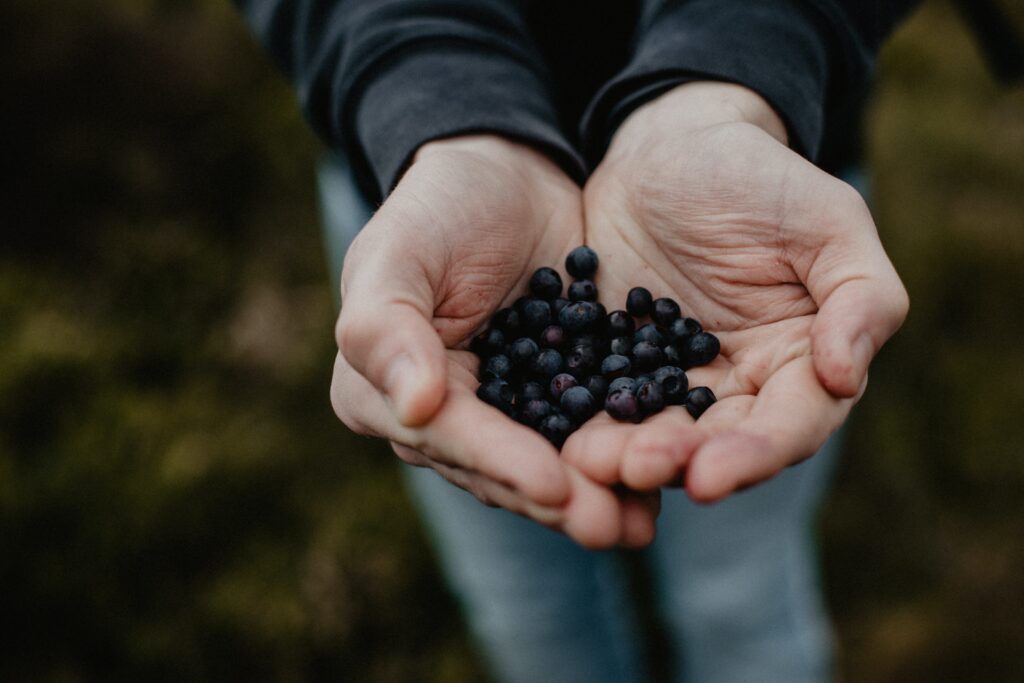
How to Make Your Own Foraging Food Map
A paper foraging food map can be such a beautiful treasure. A reminder to get outside and experience the seasons, and a resource of knowledge that develops over time.
Here’s how to create one for your local area:
- Locate a map of your area. If you can't find an updated printed version then Google Maps will work just fine. Print out your map onto large format paper. Now you can either draw straight onto your printed map or if you'd prefer to have 4 separate maps, one for each season, then you can choose to lay your initial map over a window and use tracing paper instead.
- Next, you can start adding all the details to your foraging map. Use colours, symbols, and notes. This will allow you to see what's available at any given time of year with a quick glance.
- Now it's time for the fun part! Once you feel happy with your map, go into your local area and start identifying edible food. Once you've found food sources make sure to add them to the map. Spring is probably the best time of year to do this because everything is coming back to life, and when plants and trees are blossoming it makes the identification process a little easier.
- Lastly, keep adding more and more details to your foraging map over time. Try to create a little routine whereby each week you go for a long walk and add a few more foraging spots to your map. You can make notes on a separate piece of paper, or on the back of your map. And use numbers to highlight where the notes are intended for, things such as needing a ladder can be useful tips to remember.
I wouldn’t encourage it, but if you’d rather create a digital map, then GOOGLE maps works just fine. You can drop pins and make notes just as you would with the paper version. Follow the same process as outlined above to get started.

Note: Feel free to share your map with others! If you know someone in your local area or have friends that might be interested in getting involved then make sure you share your map with them, they can then help you add further "food spots" while at the same time making the experience even more enjoyable.
Another way to share your map with others is to put it online in a community group. We have the bournebright online forum and community to help you learn about becoming more self sufficient and grow your network.
Foraging isn't about keeping secrets, although it is important for everyone to be respectful when foraging and only take what they need.
Watch Out for Soil Contamination
Soil contamination can actually be a big risk in cities, and because this article is all about urban foraging it's something that's worth mentioning. Railroad tracks, golf courses, and roadsides are all sources of contamination. On the small scale, even the pavement greenery can be a concern because of dog excrement.
This study looked at the levels of potentially harmful elements in wild foods, such as fungi and blackberries, from urban and rural areas in the UK. The levels were found to be generally low, and often below the limit of detection. Tin and titanium were significantly higher at urban sites, while platinum was significantly higher at roadside locations. Lead levels were significantly greater in blackberries within urban areas and adjacent to main roads, but it is expected to decrease in the future as lead is no longer added to petrol in the U.K.
Moreover, this study from 2013 also examined the levels of cadmium and lead in edible parts of fruit trees and shrubs grown in inner-city neighborhoods of Berlin, Germany. Results showed that the trace metal content varied depending on the species, fruit type, local traffic, and barriers between the sampling site and roads.
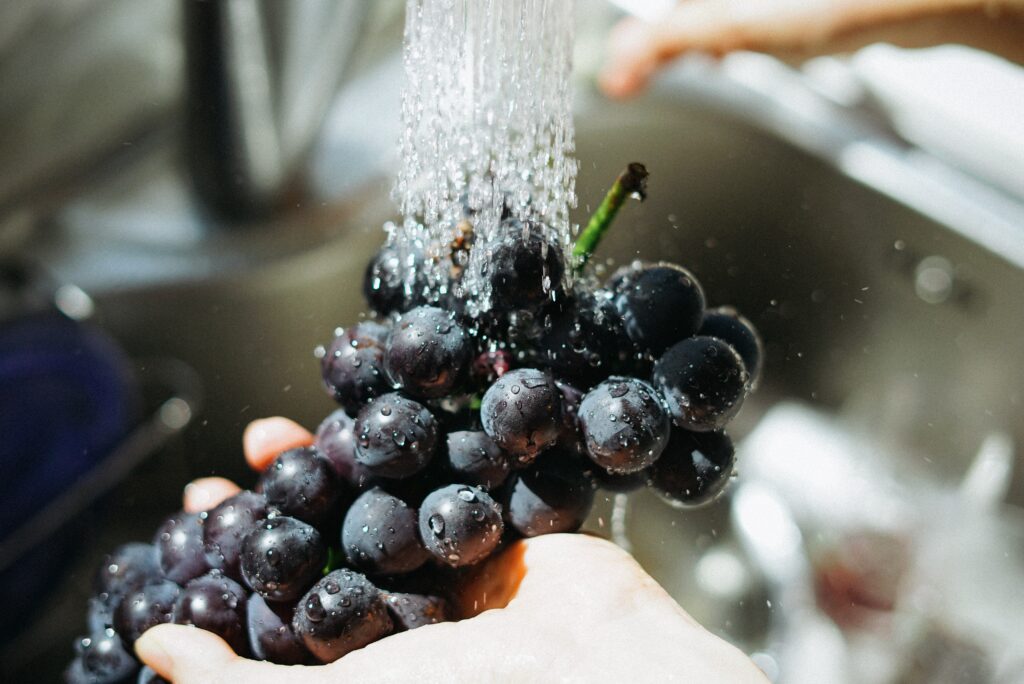
It was concluded that the consumption of non-vegetable fruits in inner-city Berlin does not pose a risk to human health if the fruits are washed thoroughly.
As humans, we become exposed to toxins and pollutants by eating dust or tainted soil that's layered on plants and vegetables. But, there's no need to worry! You can reduce the risk by simply washing your foraged finds.
Simple, right?
Final Thoughts On Foraging For Food In The City
Some of you may be asking – why bother? Well, the practice of foraging for food in the city connects us not only with nature, the seasons, and our food sources but also with each other, in a variety of ways.
Once you become more seasoned, thanks to your ability to remember and recognise patterns, finding a plum tree starts becoming as simple as looking at a cabbage in the store.
If you live in a small residence and are unable to grow your own food then foraging can be extremely freeing. Knowing that right in your local “backyard” you have food sources available to you year-round can further ease the stresses related to food security. Lastly, foraging also roots you in a place like few other forms of activity can.
The best part is, that at the end of it all, you have a basket full of local, seasonal, wild, non-GMO-frankenfood to enjoy. Delicious!
Beat The Reset
If you enjoyed this guide, subscribe to my newsletter to receive more content like this, lots of positive news stories and some practical solutions to help you beat the reset.




Love it! Living in a small apartment with no garden, this article really makes you want to go outside and explore the surrounding nature for all its treasures! Take care of nature and nature takes care of you – the perfect circle of life!
Hello, Mie, you are absolutely right!
This place we enjoy is abundant if we would only take a moment to stop and notice.
Thank you for taking that time 🙏