Once you start believing in magic, you can never quite get to the edge of your beliefs. Planting survival crops based on the lunar phase best suited to that crop is just another layer of an endless onion of truth to explore.

The natural world is filled with cycles and rhythms, and as humans, we are, albeit in our modern times unknowingly, intimately connected to these patterns. Of all the natural patterns one can get lost in if one takes enough time to allow it, the most significant natural cycle is the cycle of the moon.
For centuries, farmers and gardeners have relied on the unspoken wisdom handed down through generations and used lunar cycles to determine the best times to plant and harvest crops. This practice (or magic, as some would say) is known as planting by the moon. It's an ancient tradition that has somehow survived the eradication of hundreds of years of ever dwindling ancient wisdom.
Planting by the moon is based on the idea that the moon's energy affects the soil and sap and energies of the things that grow here in this realm.
In this guide, I'll take a deeper look at the phases of the moon and why they're important for planting survival crops and becoming more self sufficient in food. I'll also share a planting guide with the top 20 survival crops to plant and when to plant them if you're planting them by the phases of the moon.
Enjoy!

What Are Lunar Phases?
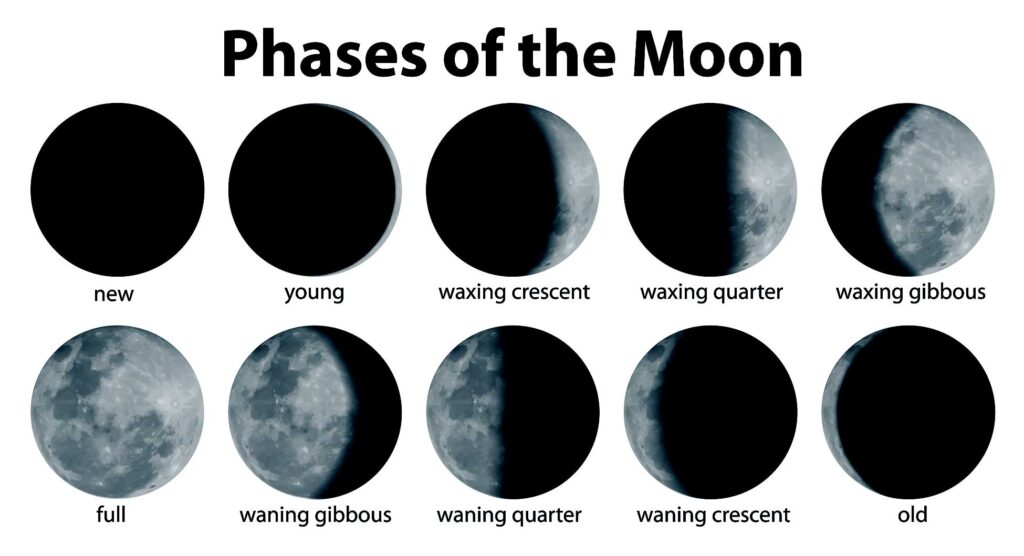
The lunar phases are the expression of different stages of the moon's illumination; from full moon to new moon. The different phases can be described as either waxing or waning and each offers different energies to the world.
A waxing moon is the lunar phase where the surface of the moon appears to be getting larger and a waning moon is the phase where the surface of the moon appears to be getting smaller.
The waxing and waning of the moon, depending on what you believe, is said to reflect the dynamic interplay of energy between Yin and Yang. The black and white, the in and out, the duality of all things. The waxing moon represents the rise of Yang energy, which is associated with growth, expansion, and outward movement.
This is a time where the energy of the moon supports building, creating, and taking action. The waning moon, on the other hand, represents the rise of Yin energy, which is associated with introspection, release, and inward movement. This is a time of letting go, reflecting, and replenishing.
The full moon represents a point of perfect balance between Yin and Yang; the time of illumination and clarity. This is a time when you can see things clearly and, in the right setting, gain access to the wisdom of your ancestors and the deeper workings of the universe.
The new moon, by contrast, represents a time of darkness and potential. This is a time when new ideas and possibilities can emerge, and when you can plant the seeds of future growth.
The Lunar Phases And Their Effect On Planting Survival Crops
For those who work with plants, the lunar phases are said to offer a powerful tool for working in harmony with the cycles of nature. By planting and harvesting in alignment with the waxing and waning of the moon, we can tap into the natural rhythms of growth and release, and achieve better yields and healthier plants.
In essence, the lunar phases act as a reminder that all things in nature (and out of nature, actually) are subject to the same dynamic interplay between opposing forces. By understanding and working with these cycles, we can cultivate a deeper sense of connection with the energy that permeates all and live in greater harmony with the natural world around us.
By planting survival crops during certain lunar phases, you can take advantage of these natural rhythms and help your plants grow stronger and healthier.

The New Moon
The first lunar phase that is important for planting is the new moon. During this phase, the energy is low, and the soil is typically dry. This is a good time to plant crops that grow above ground, such as lettuce, spinach, and peas.
The low energy of the new moon allows plants to focus their energy on growing strong roots, which is essential for healthy growth.
A more practical example would be that of planting Garlic. Garlic is a root vegetable that is usually planted in the autumn and harvested in the spring.
By planting garlic during the new moon, you can ensure that the garlic bulbs have ample time to establish strong root systems before the winter months. This results in larger, healthier garlic bulbs that are easier to harvest and store.
The Waxing Moon
The second lunar phase that is important for planting is the waxing moon. As the moon enters the waxing phase, the energy starts to increase, causing the soil to become more moist.
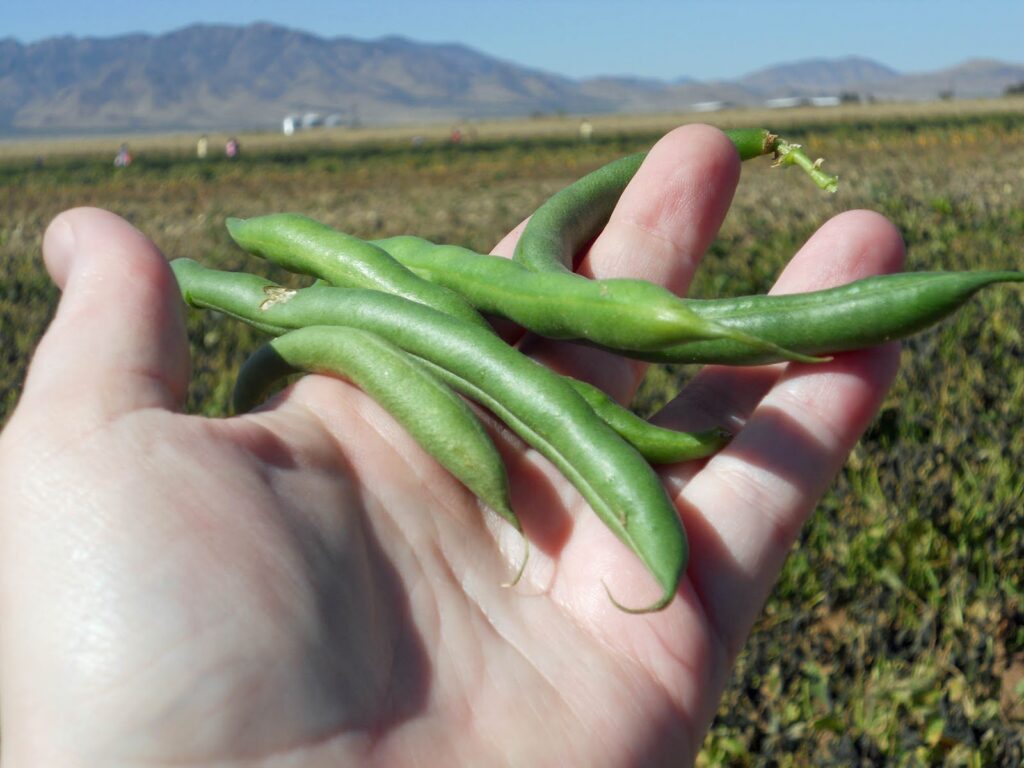
This is a good time to plant crops that grow above ground such as beans, peas and squash.
Native American Indians paid heavy homage and respect to the cycles of the moon and according to Indian lore, the waxing moon is a good time to plant beans.
It was known that beans were a fast-growing crop that required a lot of energy to produce their seeds. Thus, by planting beans during the waxing moon, it was believed the waxing and growing energy of the moon would ‘pull' the beans up through the ground and help them grow faster and produce more.

The Full Moon
The third lunar phase to take advantage of and work with is the full moon. During this phase, the energy is at its highest, and the soil is the most moist.
This is a good time to plant crops that grow below ground, such as potatoes and carrots. The high energy of the full moon helps plants to focus their energy on growing strong, healthy roots, which is essential for the growth and production of root vegetables.
The staple of any survival garden, the humble potato, is a great example of a vegetable to plant by the full moon. Potatoes are a root vegetable that are well known to require a lot of energy to produce their tubers.
By planting potatoes during the full moon, when energy is at its highest and most available, you can take advantage of the full moon's grace to help your potato establish strong roots, grow faster and produce more. You can even grow potatoes without a garden using this method.

The Waning Moon
The fourth and final lunar phase that is important for planting is the waning moon. As the moon enters the waning phase, the energy starts to decrease, and the soil becomes less moist.
This is a good time to harvest crops and prune plants. By harvesting crops during the waning moon, the low energy serves to preserve the plants in their harvested state, not drawing extra energy from them. This can also extend shelf life.
As you know, I love harvesting apples, and the best time to harvest apples is by the energy of a waning moon. Apple trees fruit in the autumn and it can be tempting to pick them whenever you see them (guilty as charged!) but if you do that, you're missing one of the best things you can do to preserve your apples for longer.
By harvesting apples during the waning moon, you can take advantage of the low energy and help preserve the apples and extend their shelf life. This is because the low energy of the waning moon slows down the ripening process of the apples, allowing them to last longer in storage.
Weeding & Fertilising Your Garden By the Phases of the Moon
In addition to planting and harvesting, the lunar cycle can also be used to determine the best times to fertilize and weed your garden.
During the new moon and waning moon phases, the energy is low, and the soil is dry, making it a good time to weed your garden. During the waxing moon and full moon phases, the energy is high, and the soil is moist, making it a good time to fertilize your garden.
By using planting by lunar cycles, gardeners can achieve self-sufficiency in food production by taking advantage of the natural rhythms and cycles of the earth. This is an ancient practice that has been passed down through generations and is still used today by many farmers and gardeners around the world.
Top 20 Survival Crops and Their Optimum Lunar Planting Phase
| Vegetable | Best Lunar Phase for Planting | Observations |
|---|---|---|
| Amaranth | Waxing Moon | Planting amaranth during the waxing moon can help encourage strong, rapid growth. Amaranth is a quick-growing crop that can provide a source of both nutritious leaves and grains. |
| Beans | Waxing Moon | The waxing moon is a time of increased energy and growth. Planting beans during this phase can result in strong, healthy plants that produce abundant crops. Beans are a great source of protein and can be dried and stored for later use. |
| Beets | Waxing Moon | Planting beets during the waxing moon can result in stronger root development and healthier plants. Beets are a good source of both vitamins and minerals and can be stored for long periods of time. |
| Broccoli | Waning Moon | The waning moon is a time of decreased energy and can be ideal for planting broccoli. This is because broccoli prefers cooler weather, and planting during the waning moon can help the plants establish themselves before the warmer weather of summer arrives. Broccoli is a good source of both vitamins and minerals and can provide a steady source of food over an extended period of time. |
| Cabbage | Waning Moon | Cabbage prefers cooler weather and planting during the waning moon can help establish the plants before the warmer weather of summer arrives. Additionally, the waning moon is a time of decreased energy, which can be beneficial for cabbage as it prefers cooler, more subdued growing conditions. Cabbage is a good source of both vitamins and minerals and can be stored for long periods of time. |
| Carrots | Waxing Moon | Planting carrots during the waxing moon can result in stronger root development, as the energy of the moon is increasing during this phase. This can lead to healthier plants and more robust carrots. Carrots are a good source of vitamins and can be stored for long periods of time. |
| Corn | Waxing Moon | Corn is a heavy feeder and planting during the waxing moon can help provide the plants with the necessary energy and nutrients for growth. Corn is a good source of carbohydrates and can be dried and stored for later use. |
| Cucumbers | Waxing Moon | The waxing moon is a time of increased energy and growth, making it an ideal time to plant cucumbers. Cucumbers are fast-growing plants and benefit from the increased energy during this lunar phase. Cucumbers are a good source of both vitamins and minerals and can be eaten fresh or pickled. |
| Kale | Waning Moon | Kale prefers cooler weather and planting during the waning moon can help establish the plants before the warmer weather of summer arrives. Additionally, the waning moon is a time of decreased energy, which can be beneficial for kale as it prefers cooler, more subdued growing conditions. Kale is a good source of both vitamins and minerals and can be stored for long periods of time. |
| Leeks | Waning Moon | Planting leeks during the waning moon can result in stronger root development and healthier plants. Leeks are a good source of both vitamins and minerals and can be stored for long periods of time. |
| Lettuce | Waning Moon | Lettuce prefers cooler weather and planting during the waning moon can help establish the plants before the warmer weather of summer arrives. Additionally, the waning moon is a time of decreased energy, which can be beneficial for lettuce as it prefers cooler, more subdued growing conditions. Lettuce |
| Onions | Waning Moon | Planting onions during the waning moon can result in stronger root development and healthier plants. Onions are a good source of both vitamins and minerals and can be stored for long periods of time. |
| Peas | Waxing Moon | Planting peas during the waxing moon can result in strong, healthy plants that produce abundant crops. Peas are a good source of protein and can be eaten fresh or dried for later use. |
| Peppers | Waxing Moon | The waxing moon is a time of increased energy and growth, making it an ideal time to plant peppers. Peppers are a good source of both vitamins and minerals and can be eaten fresh or dried for later use. |
| Potatoes | Waning Moon | Planting potatoes during the waning moon can result in stronger root development and healthier plants. Potatoes are a good source of carbohydrates and can be stored for long periods of time. |
| Pumpkins | Waxing Moon | Planting pumpkins during the waxing moon can help encourage strong, rapid growth. Pumpkins are a good source of both vitamins and minerals and can be stored for long periods of time. |
| Radishes | Waxing Moon | Planting radishes during the waxing moon can result in stronger root development and healthier plants. Radishes are a good source of both vitamins and minerals and can be harvested in as little as 3-4 weeks. |
| Spinach | Waning Moon | Spinach prefers cooler weather and planting during the waning moon can help establish the plants before the warmer weather of summer arrives. Additionally, the waning moon is a time of decreased energy, which can be beneficial for spinach as it prefers cooler, more subdued growing conditions. Spinach is a good source of both vitamins and minerals and can be harvested multiple times throughout the growing season. |
| Squash | Waxing Moon | Planting squash during the waxing moon can help encourage strong, rapid growth. Squash is a good source of both vitamins and minerals and can be stored for long periods of time. |
| Sweet Potatoes | Waning Moon | Planting sweet potatoes during the waning moon can result in stronger root development and healthier plants. Sweet potatoes are a good source of carbohydrates and can be stored for long periods of time. |
| Tomatoes | Waxing Moon | The waxing moon is a time of increased energy and growth, making it an ideal time to plant tomatoes. Tomatoes are a good source of both vitamins and minerals and can be eaten fresh or canned |
Final Thoughts: Planting Survival Crops By The Moon
I am a firm believer in the power of nature and its ability to guide us in our daily lives. By observing and understanding the natural cycles and rhythms of the world around us (and especially above us), just as our ancestors did, we can achieve a deeper sense of harmony and balance in our lives.
Planting by lunar cycles is a powerful tool for planting survival crops and achieving self-sufficiency in food production and will help us lead more purposeful, meaningful lives.
By taking note and understanding the natural rhythms of the moon and the energy it provides, you can use it to guide your planting, harvesting, fertilizing, and weeding and can help your plants to grow stronger, healthier, and more bountiful.
Even more valuable than that though; by planting to the moon, you are reconnecting to an ancient practice that served your ancestors well. In times such as these, reconnecting to our ancestors, our core, our very being is essential if we are to move forward in this place.
Why did planting by the moon fade from public consciousness? Why isn't it taught in schools? Why does there seem to be such an effort to misdirect attention from ancient truths that serve to ground and root us?
I'm not sure, although I could guess, but the fact that planting by the moon still works and is still relevant just goes to show that the wisdom of the natural world, the ancient world, should never be forgotten.
If my content helps in any way and you'd like to say thanks, please consider buying me a coffee 🙏