
Being a homesteader myself, I've long understood the importance of being frugal with my expenses while at the same time still finding ways to stay warm during the colder months. As costs get ever more out of control, I decided to take it upon myself to build on my own knowledge further and find the top 10 tips for lowering your heating bills this winter.
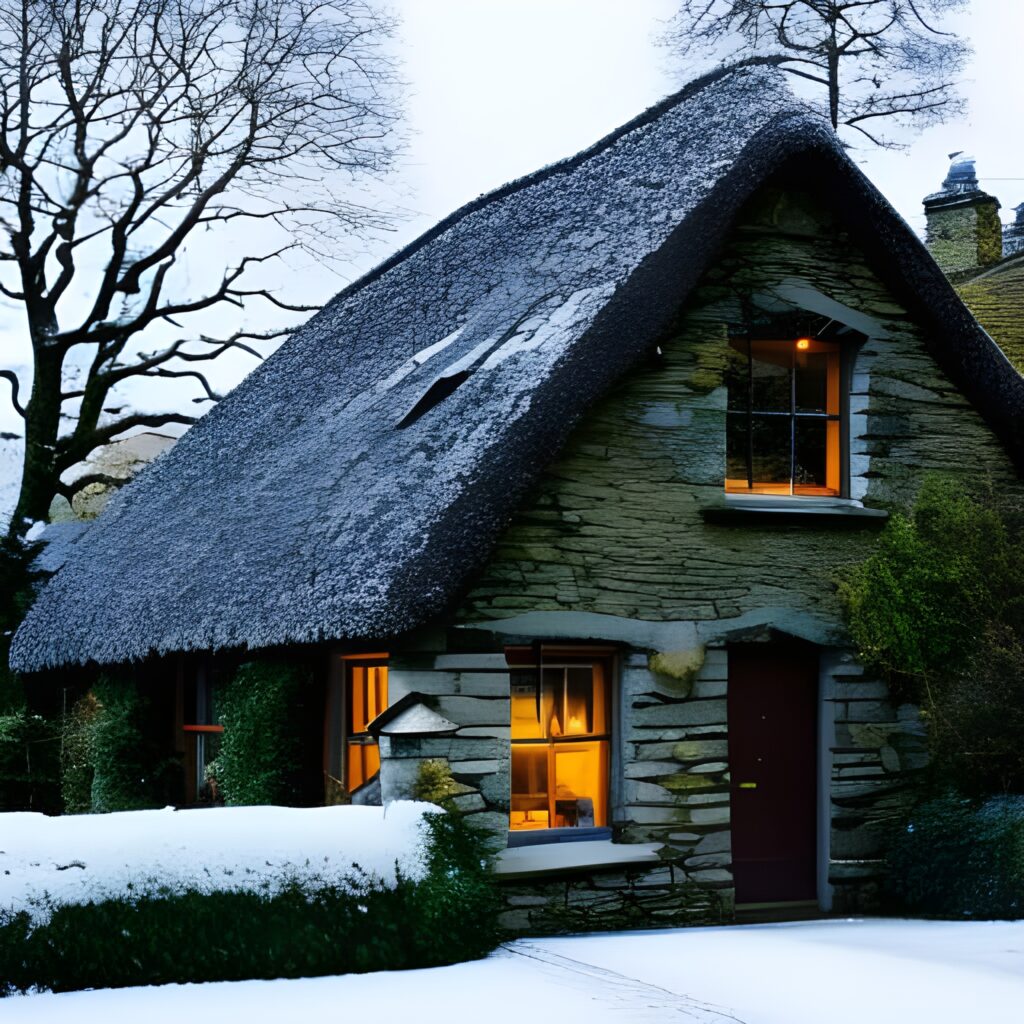
If you find yourself in a similar predicament to me (surrounded by rising energy costs and colder weather) and it's all draining your winter cheer, then you'll be happy to know that I did manage to find the top 10 tips for lowering your heating bills this winter.
I took some time out over the holidays to pull them all together for this guide so that you can save yourself some money and share what you learn with friends.
Sharing the knowledge is just as important as learning the knowledge because if things continue on their current trajectory, there is going to be an awful lot of people who could use your help to get by.
So please, if you find this guide useful, take a moment to comment and share it with your friends and family.
OK, let's get into it.

Top 10 Tips For Lowering Your Heating Bills: Before You Get Started
As much as I tried to research only the most cost-effective methods of reducing heating bills, some of the suggestions do require a small up-front investment. I did, however, try to keep those down to a minimum.
The results in energy savings you achieve will depend greatly on how your home was built, if it's insulated, and the year it was built. These tips will likely have more of an impact on homes built pre-1930s but can still be applied to any home to lower heating bills.
The Importance of Draught Proofing
The average British home spends most of its energy consumption on heating. And the #1 way to save money on energy is by addressing heat loss.
It's estimated that the heat loss per U.K. household is on average 25%, with 10% of that escaping under your feet, 30% through windows and doors, and the remaining 35% through the walls.
Insulation is a term used to describe how well a material seals heat in. On the other hand, draughts or air leaks are a measure of the difference in pressure between the indoors and outdoors. The mobile currents of the air have a great effect, which is a great example of why two rooms being heated to the exact same temperature can feel so different.
Draught proofing is a fast and effective solution to the main issues of heat loss because it tends to be a lot more cost-effective to sort out and block holes, crannies, and little nooks than it is to start changing the building materials of your home.
This being said; we've put together some of our top tips for lowering your heating bills this winter, and while draught issues are one of the main points that we'll cover, there are many other invaluable and simple solutions included in the roundup.
1. Block draughts
Once people have lived inside a property for a while, it becomes easy to spot where the cold air is coming in from.
Simply blocking out draughts can save you a chunk of your energy each year. And it doesn't really matter what methods you use, draught excluders, thick curtains, and seals between doors and windows all work well. One of the cheaper DYI products is self-adhesive strips, these work great but won't last long.
Our guide about how our ancestors applied some simple tricks you can use to stay warm without electricity would be a great source of extra info here.
2. Unplug standby devices
I'm sure we've all heard this one before and know all about how leaving devices plugged in or on standby can bump your energy costs up a little per month. But, really how much difference does it make?
Well, the Energy Saving Trust estimates that it could save you £65 a year. Apart from freezers, TV boxes, and refrigerators, most other appliances can be either unplugged or switched off at the plug.
3. Cut down on your water use
Don't forget to remind everyone in the house to cut down on shower times, avoid leaving sinks open while washing up, and have smaller baths. These may seem like stupid measures, but they can bring down your overall bills both for energy and water.
Another thing worth considering is swapping out your shower head for a water-efficient one. According to the Energy Saving Trust, by replacing the shower head you could be saving £45 on energy and £20 on water per year.
It seems like a no-brainer to me when you can buy one for £15.
4. Rethink your thermostat
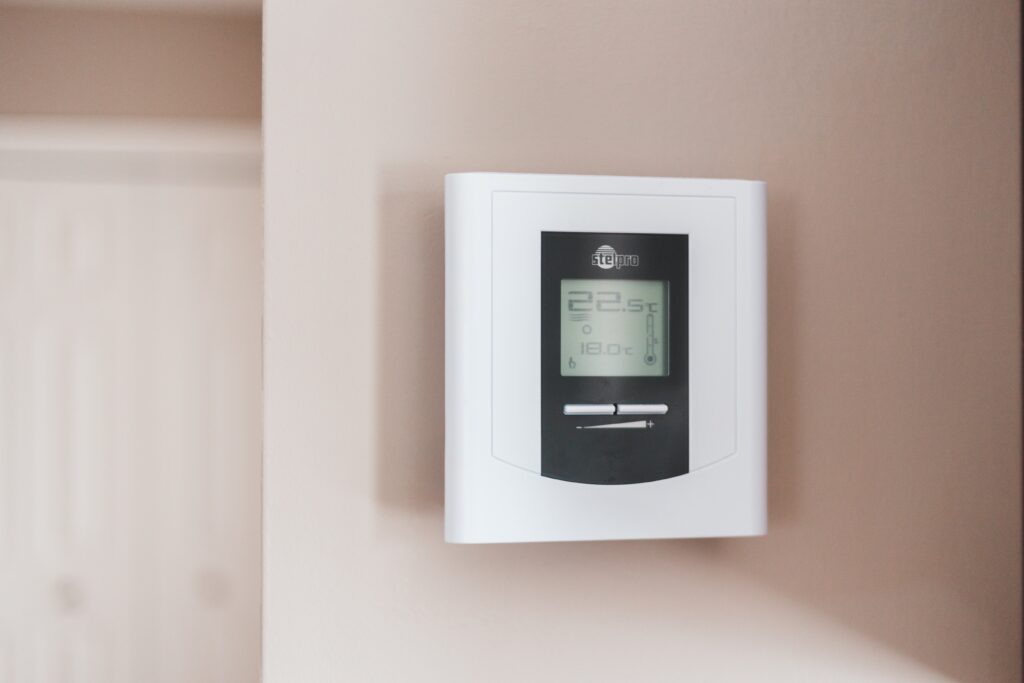
Energy Trust claims that turning your thermostat down a degree can reduce your bill by 10%.
Other tips include:
- Setting your central heating temperate to somewhere within the 18°C and 21°C range.
- Leaving your central heating on low all day and night is going to be more expensive than just turning the central heating on when you need it.
- Set a time for your central heating to come on at the right time of day and when you truly need it.
5. Watch out for a draughty chimney
Now, as great as a chimney may look as a feature in your room, they do tend to let a lot of cold air into a house, while at the same encouraging warm air to escape.
There are products that can block out chimney draughts and save you money; the most popular being those that look and act like an inflatable balloon, a chimney balloon in fact, that fits inside the chimney, inflates and helps to stop the cold incoming breeze.
What's crazy is the experts suggest that blocking your chimney draught with a £15 chimney balloon can save you over £40 a year!
6. Bleed the radiators
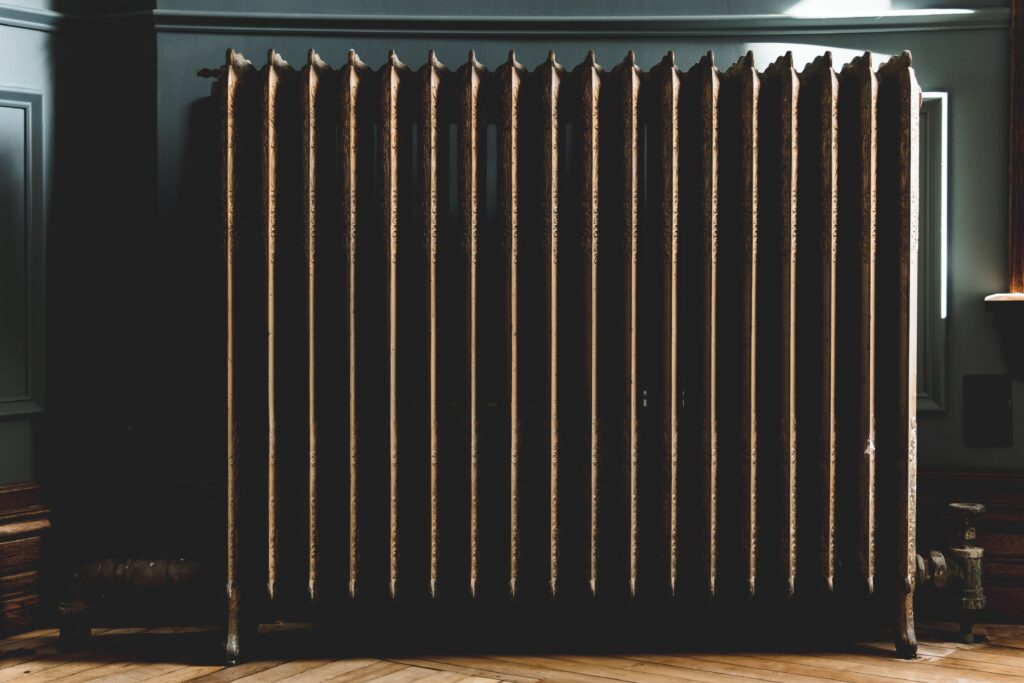
‘Bleeding' a radiator is the process of opening the ‘bleed valve' on the radiator and releasing trapped air. When air is trapped in a radiator, it acts like an airlock, preventing water from filling up the radiator to the top and further preventing your radiator from getting hot all the way to the top.
By bleeding your radiators regularly you're actually helping them to function more efficiently.
One quick and simple method to check if they need bleeding is to touch them and see if they're cool at the top and warm at the bottom. If this is the case, then they need to be bled to release the trapped air in the pipes.
Bleeding radiators is super simple, you can use either a bleed key or a screwdriver; just follow these steps:
- First, make sure to turn off all heating and wait until the radiators have cooled down completely. You have to start at the radiators that are furthest away from your boiler and work back.
- The commonly known “bleed point” can usually be found on the right-hand side and at the top of the radiator. It looks like a little square, and on newer radiators can be surrounded by plastic.
- Place a rag on the floor next to you and hold another cloth just underneath the valve because sometimes water will escape the radiator as you bleed it and you don't want to make a mess.
- Now place the screwdriver or bleed key into the valve and begin turning it anticlockwise.
- When you notice water starting to come out then begin turning the screwdriver clockwise and closing the valve.
7. Insulate windows
If your home has sash windows; using insulating film can deliver great results, especially for the temperature of your house.
You could use the same method on any window actually, but the greatest heat savings will come from sash windows which typically have high leakage.
You can buy insulating film online or at most home stores. It's not too complicated to use and comes with simple instructions should you run into any issues.
Normally though, you spread the plastic wrap across the window and then use a hair dryer to seal it in place, making sure it's covered up any air gaps.
8. Move any furniture away from heating sources
It may well be super cosy to have your sofa or favourite lounge chair right next to a radiator, but it's not actually all that great when it comes to energy efficiency.
Having large items of furniture placed in front of radiators can stop the heat from reaching the rest of the room, let alone the entire house.
To heat your room faster and save money on bills, try moving furniture away from radiators by at least a couple of inches (6 for greatest effect) and you'll notice the room getting warmer much faster than before.
9. Become a more efficient chef
Over 20% of U.K. households' energy use tends to happen in the kitchen, with the primary culprit being ovens. Thankfully there are many ways to cook without adding as much as an oven would to your bill.
Try to cook as much on the hob or gas stove, and if the weather permits it then get outside and cook on the BBQ. Cooking outside, even during the winter, can be a great weekend activity that saves you money.
The best kind of BBQ for this sort of thing is a gas barbeque that runs on bottled gas; allowing you to control the output (and gas usage) depending on your needs.
10. Don’t forget to use eco-mode
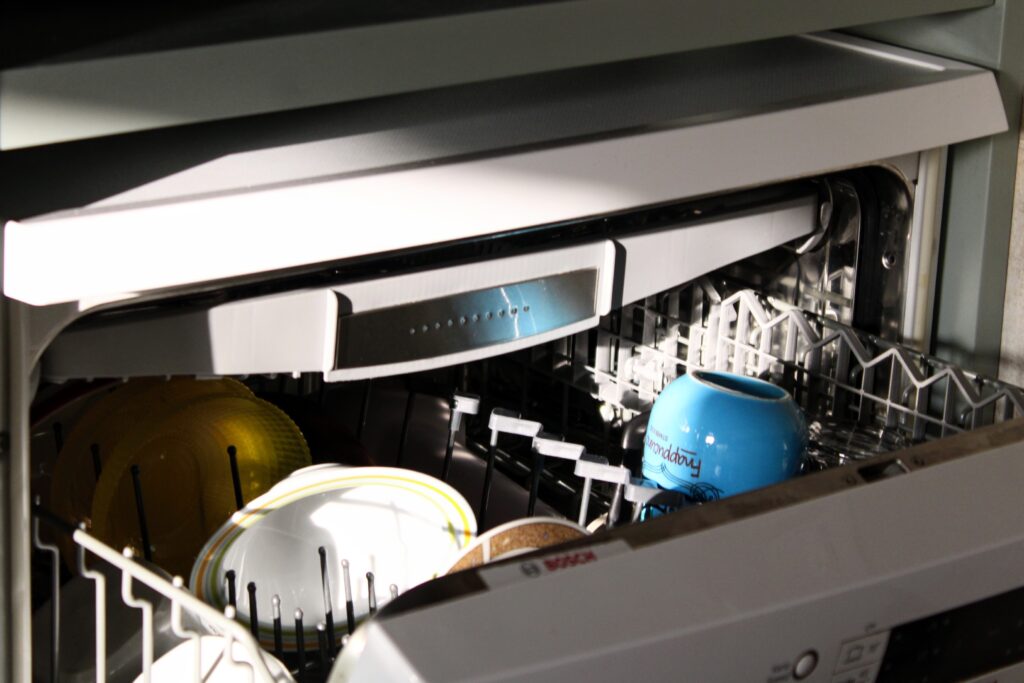
I mean, we're sure this may sound pretty obvious, but I thought it was worth mentioning as a reminder. Make sure to use eco-mode on appliances like a dishwasher, TVs, washing machines, and clothes dryers, among others.
An appliance's energy rating is defined by its performance on an eco-mode setting, so if you're ignoring this setting because cycles take longer then you're not making good use of your appliances.
Yes, cycles do take longer, but all you need to do is plan ahead, that way you won't jump to use quicker cycles because you find yourself in a rush or pushed for time. Plan, plan, plan!
Final Thoughts On 10 Tips For Lowering Your Heating Bills This Winter
It's quite surprising how many simple methods there are to reduce your heating bills that take very little time and hardly any DIY skill at all.
Hopefully, sharing these tips with you will help you save on heating bills this winter by making small changes to your home and lifestyle. These changes may require a small up-front investment (chimney balloons, draught excluders, window insulation or even barbecues) but will result in long-term savings in energy costs.
From insulating windows, blocking draughts, bleeding radiators, and using eco-mode on appliances, there are plenty of things you can start doing today to lower your heating bills this winter.
Have you tried any of the methods mentioned in this article? Do you know of any more?
Please share your knowledge with others seeking it in the comments section below or visit our self sufficient community forum and do it over there. I'd love to hear all about your experience.
Beat The Reset
If you enjoyed this guide, subscribe to my newsletter to receive more content like this, lots of positive news stories and some practical solutions to help you beat the reset.