There are 19 forgotten (and most important) principles of self sufficiency that I've managed to apply to my own life over the last 3 years that have distinctly improved my outlook on self sufficiency and my life in general.
The more self sufficient I become, the more my life changes for the better. The transformation has been nothing short of amazing and it blows my mind how few people seem to care about it; forsaking self reliance for convenience.
Fortunately though, it does seem like no matter what era we live through, there are always some of us who would rather lead a leaner, more self-reliant life than get dragged into the monotony and politics and consumerism of modern society and whatever the current thing is.
To help guide my own journey towards this goal, over the past decade I've bought loads of out of print old books about self sufficiency and survival and compiled them all on a usb drive that you can buy from my store (or the digital version), and I've taken the best lessons from those books and made this easy-to-digest list of the 19 most important principles of self sufficiency that you can actually start applying today to change your life for the better.
You don't need lots of land to become self sufficient, you just need to take action.
The 19 Most Important Principles of Self Sufficiency You Can Start Applying Today To Improve Your Life

I recently used the principles below to help me become more self sufficient in my life at some point in the last 3 years.
By making these small changes, I was able to create tangible improvements in my life. They're not huge changes and almost all of them can be applied today.
- Source Local Materials
- Build Or Join Mutual Community Aid Groups
- Live In Accord With The Seasons
- Practice Traditional Food Preservation
- Save Heirloom Seeds
- Practice Traditional Homemaking
- Buy Food Locally
- Use Renewable Technologies
- Build Resilient Communities
- Nurture a Self-Sufficient Mindset
- Live Frugally
- Use Natural Remedies
- Practice Waste Reduction
- Improve Energy Efficiency
- Carry Out DIY Repairs
- Practice Rainwater Harvesting
- Learn Handcrafts and Artisan Skills
- Go Hunting and Fishing
- Go Wild Foraging
Revisiting these old traditional skills in my opinion is not only gratifying and satisfying, it's also essential in turbulent times.
For example, I read just this week that the island of Jersey shut down all gas supplies for an entire weekend…
Unexpected emergencies like this only serve to highlight the importance of being more self sufficient in as many ways as possible, no matter what stage of you're life you're at or where you are.
If it can happen in a wealthy, advanced nation-state like Jersey, it can happen anywhere!
Source Local Materials
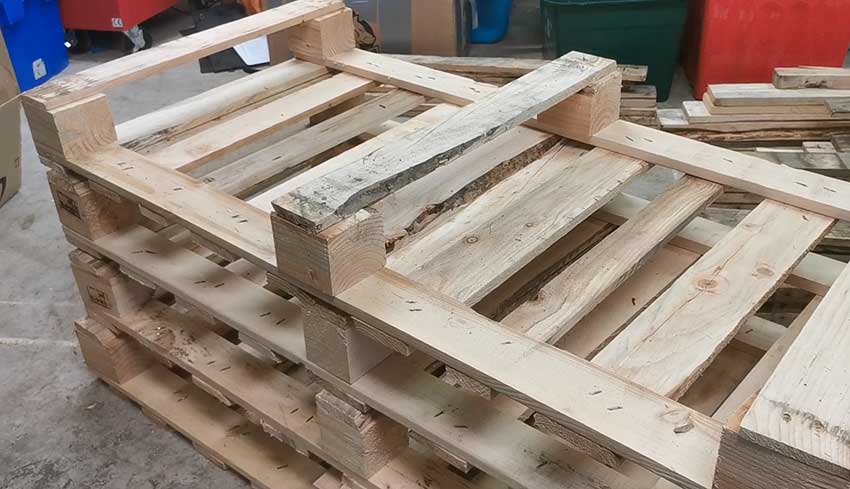
Wood is expensive. I use wood for small projects around the homestead like shelves, log stores, buckets, headboards and pretty much whatever else comes up.
Instead of going to the local builders' merchant or ordering online, I started visiting industrial estates instead.
I found that most businesses in a business park get stuff delivered on pallets and leave used pallets outside overnight by the bins.
I started collecting them until one day I was clocked by a business owner – a builder – who asked what I was doing. When I explained, he offered to deliver used pallets to me for only the cost of fuel.
That was great. I didn't have to drive around looking and he had a bigger van to put more in – win/win.
Now I have a plentiful supply of used wood pallets for projects that get delivered and this saves me money and time.
All it took to get them was to go outside and start talking to people.
Build Or Join Mutual Community Aid Groups
This is a real game changer if you can settle on a project that attracts a good response.
Mutual Community Aid is basically where you get together with other members of your community to achieve a specific objective. For example, it could be to buy wood in bulk for all members of the group, saving everyone money and securing the supply.
It works by getting everyone to commit to paying a monthly contribution towards the group objective. The ideal scenario is to have enough money in the pot each month to allow you to not only achieve your objective but to also start building up a cash surplus.
At the end of a year (or whatever time period you designate), the group uses the excess cash to invest in things that improve the life even more for the members. For example, in the case of the wood buying; to buy a sawmill or forest.
The key to making it work is to keep the objective simple and easy to understand and not get dogged down by ideology. eg. ‘to buy wood in bulk for all members and save money' is an objective that is easy to understand and does not require any specific ideology to be a part of.
Other examples could be a Disaster Preparedness Group, A Medical Aid Group, A Self Defense Group etc.
Live In Accord With The Seasons

When I began to appreciate that Strawberries don't grow in January (here in the UK), I began to realise that most of what you see in the supermarket shelves is either shipped in from 1000s of miles away or preserved with some form of artificial preservative to keep it ‘fresh' for the shelves.
This made me think more seasonally about the foods I eat; and made me wonder about the way my body was designed, and all things actually, in nature are designed.
We aren't meant to have whatever we want whenever we want it. It's not natural. And if it's not natural then there must be some cost somewhere. I tend to think that in our western case, it is our health.
So I started to shop more seasonally, even when the shelves were full of other temptations. I try to buy only what is in season and eat accordingly throughout the year.
This simple act is grounding. It makes you feel part of something, not just something taking part and, anecdotally of course, I feel better in myself for it with higher energy levels and clarity of mind.
Practice Traditional Food Preservation
Very closely aligned with living in accord with the seasons is the art of food preservation.
When you live in a accord with the seasons, you have to learn to preserve what you grow and harvest otherwise it goes off!
This is why our ancestors had so many methods of food preservation and why I started to learn them.
- I bought myself a dehydrator (yes, I know my ancestors didn't have one!) and started to dehydrate food when we had leftovers.
- I learned to water bath can for food preservation.
- I learned how to make jams and preserves.
- I learned how to ferment foods.
I learned most of these things from the books that are available on the survival usb available in the supply store.
The outcome from learning all of these skills was that I don't feel afraid of food shortages or restrictions in supply; rather, I feel confident that I'll be able to figure it out and feed my family when the time comes.
Save Heirloom Seeds
Food security is the fundamental concept that underpins independence and resilience. Without access to food, everything else falls by the wayside.
Therefore, as a very first step in becoming more self reliant, securing your food supply is essential.
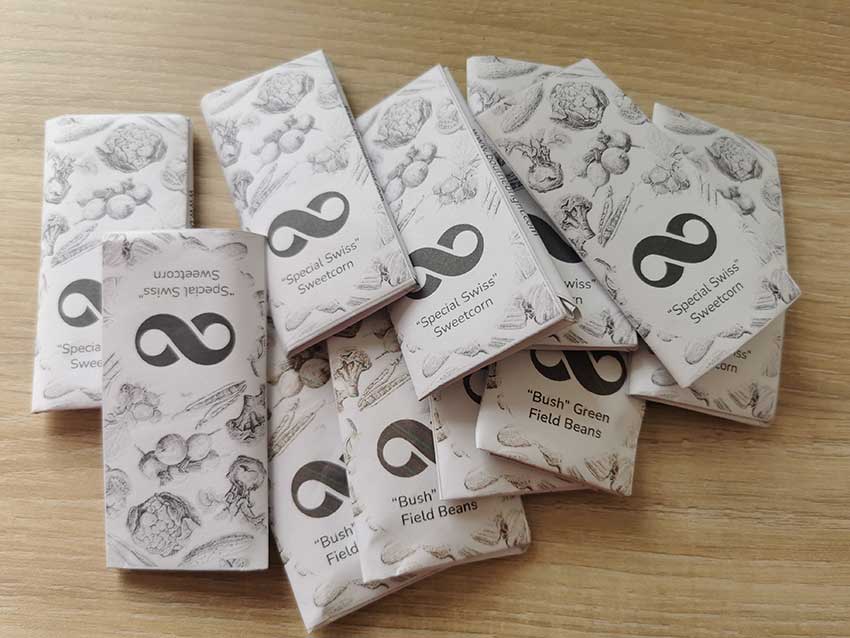
The single most independent way you can achieve that is to save your own seed. Organic seed from heirloom fruit and vegetables that you have grown with your own hands.
I do this with as many of my veg as I can and you can buy my organic heirloom seed from my supply store.
Why Is Seed Saving So Important?
- Seed saving is crucial for self-sufficiency, providing independence and resilience.
- It preserves plant varieties adapted to local environments, enhancing crop diversity and resilience.
- Selecting and saving seeds from the healthiest plants tailors strains to unique microclimates, ensuring a reliable harvest.
- Seed saving serves as an insurance policy against disruptions in commercial seed availability, ensuring long-term food security.
- It empowers communities to maintain food production independently, fostering self-reliance and autonomy.
- Seed saving perpetuates traditional knowledge and deepens understanding of the relationship between humans and the environment.
- It encourages sustainable agricultural practices and contributes to the preservation of biodiversity and cultural heritage.
Practice Traditional Homemaking
I think of traditional homemaking as the things my grandma did that she learned from her grandma.
In today's world, it seems we think we are too ‘civilised' and ‘advanced' to practice these skills but I can say for certain that practising them enriches your life beyond compare and actually makes you feel more confident, resilient and connected to the world and the people around you
What Are Practical Traditional Homemaking Skills?
- Cooking: Prepare and cook meals from scratch using basic ingredients, following family recipes from old recipe books handed down through the generations.
- Cleaning and organizing: Maintain a clean and orderly home. Use natural cleaning agents and implementing regular cleaning schedules for different areas of the house.
- Sewing and mending: Repair and create your own clothing, linens, and other household items with skills like sewing, knitting, or other textile-related skills.
- Gardening and preserving: Start a home garden to grow fruits, vegetables, and herbs for your family and learn to preserve what you can't eat before it goes off. We have an entire section of the website dedicated to growing and preserving your own food.
- Budgeting and frugality: Manage your household finances tightly by creating budgets and finding ways to be frugal and save money, including repurposing items, minimizing waste, cooking and buying in bulk.
- Hospitality: Take pride in creating a welcoming atmosphere for friends & family who might stop by unanounced and always have some home made food to offer.
Our modern life really tries hard to prevent us from doing these things but isn't this just another reason why we need to do them more?
Buy Food Locally
For the last 3 years at least, I have been visiting local farms and asking them about their produce. What I've found is that most farms are very proud of what they do and are enthusiastic about sharing it with you when you ask.
This not only gives you better and more direct access to food, it also helps you build relationships that form a network of contacts that you can work with and buy from should anything happen to the supply chain in the future.
Buy local is not just about food, it's about building relationships and that, is probably way more important in the longterm.
Use Alternative Energy
Specifically, this is related to energy generation and consumption. We have a dedicated section of the website focussed on generating your own power but what I'm talking about here is using alternative means to power your home wherever possible.
This could be as simple as cooking some meals in a wood-powered oven outside your home, or a gas-powered BBQ, or it could be as advanced as a full off-grid solar setup to power you storage freezers like Colin The Plumber did.
The point is to unplug yourself from ‘the grid', and start to use alternative methods of lighting, heating, cooking and cleaning wherever you can.
You don't need to start with a full system; just start with something small, one small piece at a time.
For eg. commit to only charging your phone or laptop with solar power.
Build A Likeminded Network
If you're still surrounded by so-called friends who don't agree with your lifestyle choices or don't support your self sufficiency goals, then perhaps it's time to start moving on?
We're at this point in our journey where we simply can't let the wishes and insecurities of others prevent us from going where we need to go.
Start building a new network, a one more aligned with the things you want to do in your life.
For me, that meant over the last 3 or 4 years connecting with people through The Freedom Network, A Stand In The Park and attending events that were full of people with similar self sufficiency aims.
Nurture a Self-Sufficient Mindset
Nurturing a self-sufficient mindset means fostering a spirit of independence and resourcefulness; and having a proactive approach to meeting your own needs as much as you can.
It revolves around developing your skills, outlook and connections so that you can be more confident with providing for yourself and not being overly dependent on external sources. The two most practical ways you can achieve this are:
- Buy books and learn the skills you need (this downloadable file of over 900 self sufficiency books is a great place to start).
- Learn from people already living the lifestyle with the skills you want to learn.
This is of course way different to what most of us were taught to do when we were growing up – at least those of us born after the 1970s.
The good news is that there is a growing trend towards self sufficiency that seeks to help us unlearn all that we've been taught with the aim of rekindling our spirit for self reliance.
If you try to follow the principles of self sufficiency outlined in this article, you will be well on your way to shifting your mindset towards a more self sufficient one.
Live Frugally
I've found that just by taking some responsibility over your spending and being more conscious of how much you're spending, you tend to feel more self sufficient and generally just much better about things.
I started doing this in our homestead by buying more things in bulk and storing what we didn't need until later. I was able to save around 10 – 20% by doing this. Yes, it's more money upfront but a 20% saving over a a year is a big saving.
Some examples of things I've bought in bulk are:
- Flour
- Meat
- Dried herbs
- Personal hygiene stuff like plasters, toilet rolls, towels, bandages, cotton buds, toothbrushes
- Candles
- Matches
- Bottles of gas
By minimising spending to the very bare minimum, I found it frees up available cash to invest in projects that matter and move me closer to my long term goal of self sufficiency.
Use Natural Remedies
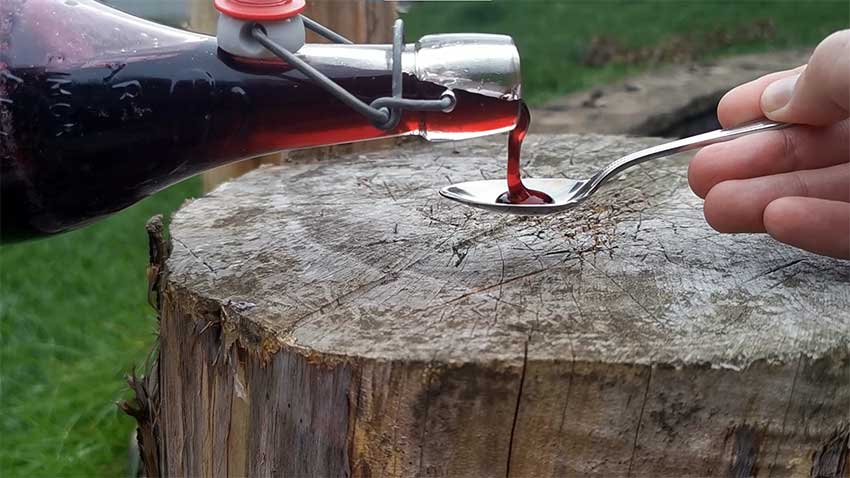
Instead of thinking you need to phone a doctor for the slightest sniffle, try to be more resilient and tough it out a bit.
Focus your efforts on good food; organic meat, veg and fruit in season and make sure you do daily exercise of some sort.
Basic advice but if you're not doing this very simple thing then it's no wonder your body is suffering with chronic illnesses.
I learned this the hard way when a few years back I started to get real weak and lethargic. I hadn't had a good diet at all and was lazilly eating whatever food was convenient at the time, giving no thought to how it was prepared, where it came from or putting any conscious thought into it.
It showed in my health as I gained weight, got tired and lost energy and it was only following a very strict diet for a few months that I started to pick up again.
Nowadays I try not to eat anything out of packets and only stick to food that is whole, natural, in season and freshly prepared.
It's not always possible but being conscious about it made a big difference to my health and it's something you can start today.
If it's coming out of a packet; don't eat it!
Reduce Waste
In the past, after we prepared food and there was leftovers, we'd throw the leftovers in the bin and forget about it.
What I've learned in the last few years being far more conscious about my lifestyle is that most waste can be re-used for something else.
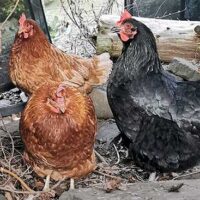
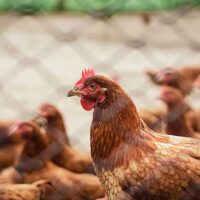
For example, kitchen scraps can be used to supplement our chickens' diet or composted. Both save us money in the longterm if we practice them long enough.
Old clothes can be cut up and turned into wash rags, patches or, as my daughter is starting to learn, cut up and turned into new clothes or accessories altogether. The picture above is a bag she made from some old denim shirts.
We try not to waste anything these days and it's amazing what a difference to your budget and your self confidence just doing this makes.
Improve Energy Efficiency
Simple things like insulating your body with the right clothes in winter and being mindful of how heat escapes from your home can change your outlook for the better.
Once you start to pay attention, you learn that you don't need the 15 minute shower or the dishwasher or all your devices on constant charge 24/7. Taking ownership over your energy usage and improving how you use it is a powerful step towards creating a more self sufficient mindset that you can take anywhere.
It will improve your life and save you money and these things combined give you confidence that you can weather whatever storm may come.
Carry Out DIY Repairs
Doing your own repairs, as much as you think you might not enjoy it, is another fantastic way to rekindle that connection with the things you own and useand value their presence in your life.
I was never really a ‘DIY' person; but throwing myself into it and forcing myself to repair things and learn how basic tools work gave me so much back in return.
Yes, I still don't enjoy getting under the counter top and unplugging pipes and stuff, but I know how things work now and this gives me a confidence that should I need to repair something, I can give it a fair go.
There are so many great books and ‘hacks' you can use for DIY repairs, like using denim to sharpen razer blades or knives to extend their life, or using white vinegar to clean dirty carpets and clothes.
There are about 50 books dedicated to these kinds of things on the survival USB I have available in the supply store (also available as an instant download) so you'll never be short of ideas.
Practice Rainwater Harvesting
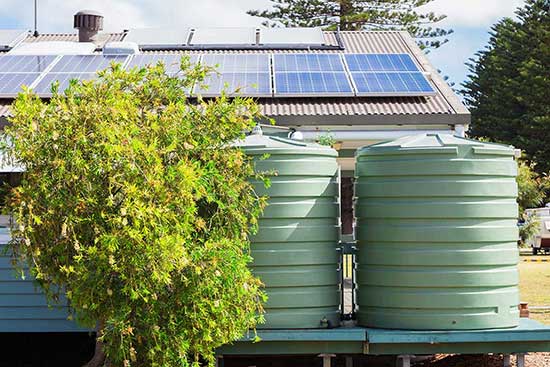
Along with growing your own food, collecting your own rainwater has to be the #2 skill to learn to lead a more self sufficient life.
What's that survival saying; the rule of 3: you can live 3 minutes without air, 3 days without water and 3 weeks without food.
Assuming air remains breathable (and oh how the news media would love you to believe it won't!) your next mission is to secure a water source.
Rainwater is one of those sources, along with running streams, rivers and springs. The basic rule for making water potable (drinkable – and as long as it doesn't smell weird) is to first filter it through a sediment filter (a 2 ply paper towel or specialist water filter) and then boil it for up to 5 mins to kill any bacteria.
Given these treatments, rainwater should be drinkable in almost all cases, which is why collecting your own rainwater for drinking is a no-brainer for anyone thinking about becoming more self sufficient.
Learn Handcraft and Artisan Skills
Handcraft and artisan skills are those things we can do with our hands, independent of the system, to produce goods and products using manual, traditional or artistic techniques.
I'm ashamed to say that I don't really have any handcraft or artisan skills worth mentioning!
I mean, I guess you could lump making elderberry cough syrup, elderflower cordial or even apple & blackberry jam in as ‘handcraft' skills, but not really?
But rather than beat myself up about it; what I tend to do whenever I feel that black cloud seeping in is to remind myself what I know how to do now compared to what I knew how to do a year ago.
This always picks me up.
Learn To Hunt & Fish
And here we arrive at the meat & bones of all adventurous, self sufficient types; hunting & fishing…
Or do we? Have you ever hunted or fished? I hadn't up until about a year ago, and even now it's basic fishing at best and bad hunting.
I know where to find stuff; I just don't know how to catch it properly yet! Yet.
At the end of the day, I'm a city boy by birth & nurture so all of these old traditional homestead skills I'm still learning as I go. I hope by sharing them though that you can benefit along the way.
My fishing expertise extends to picking willicks and mussells off rocks in the fresh North Sea breeze along my ancestral coastline here in the North East of England. A little is better than nothing at all though.
Depending on where you live, you may have access to a local hunting or fishing group and a quick search of the popular social media apps will be a good start.
Or, if there aren't any, this would be a great opportunity to start one of those Mutual Community Aid Groups we talked about earlier.
Go Wild Foraging
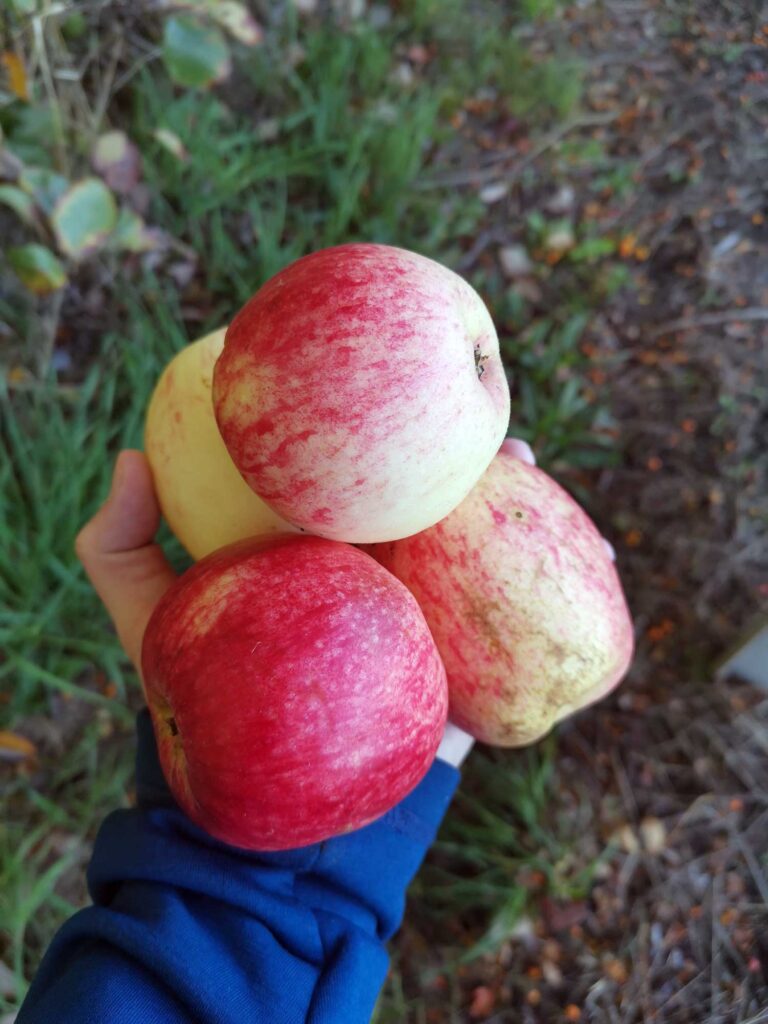
This one is a real boost if you are constantly feeling down or depressed because you don't have much land.
I'm not sure why, maybe it's the scarcity mindset we've been brought up to believe in, but when we think of becoming self sufficient, the first thing we tend to think of is having lots of land to grow all of our own food and raise all of our own animals…it's possible, I mean, this family became self sufficient on 1/4 of an acre so…
But still, this is that ‘ownership' mentality and whilst I am absolutely 100% all for private property (at least being steward of a piece of land you can call your own until your time here is done and you pass it on to someone else), being self sufficient doesn't need to be restricted to the things you own.
When I realised that there is actually an entire world outside of my front door, much of it wild and mostly ignored by most people, I began to realise that food grows everywhere.
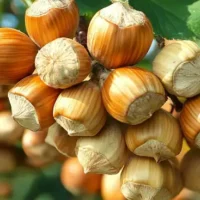
I found apples, nuts, herbs, mushrooms, fruit, and eggs out in the wild. Yes, all of these things are temporary and seasonal in nature, which is why you have to learn to move in accord with the seasons and preserve what you find.
There are hundreds of things you can go out foraging for no matter where you live at any time of the year and there are a lot of field guides on the survival USB stick that can help you start doing this.
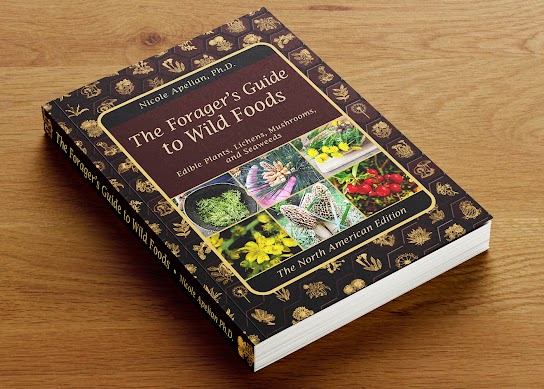
Alternatively, there's also the The Wild Forager's Guide; a detailed graphical book by Nicole Apelian that can help you find food and medicine out in the wild (or even your backyard).
I also reviewed Mo Wilde's The Wilderness Cure book which you can use as sort of a seasonal field manual as to what to look for and where to look for it throughout the year which is a great read in itself.
The point is, once you unlearn that self sufficiency is not about what you own but what you can access, you start to feel much more self empowered and confident in your ability to thrive no matter what.